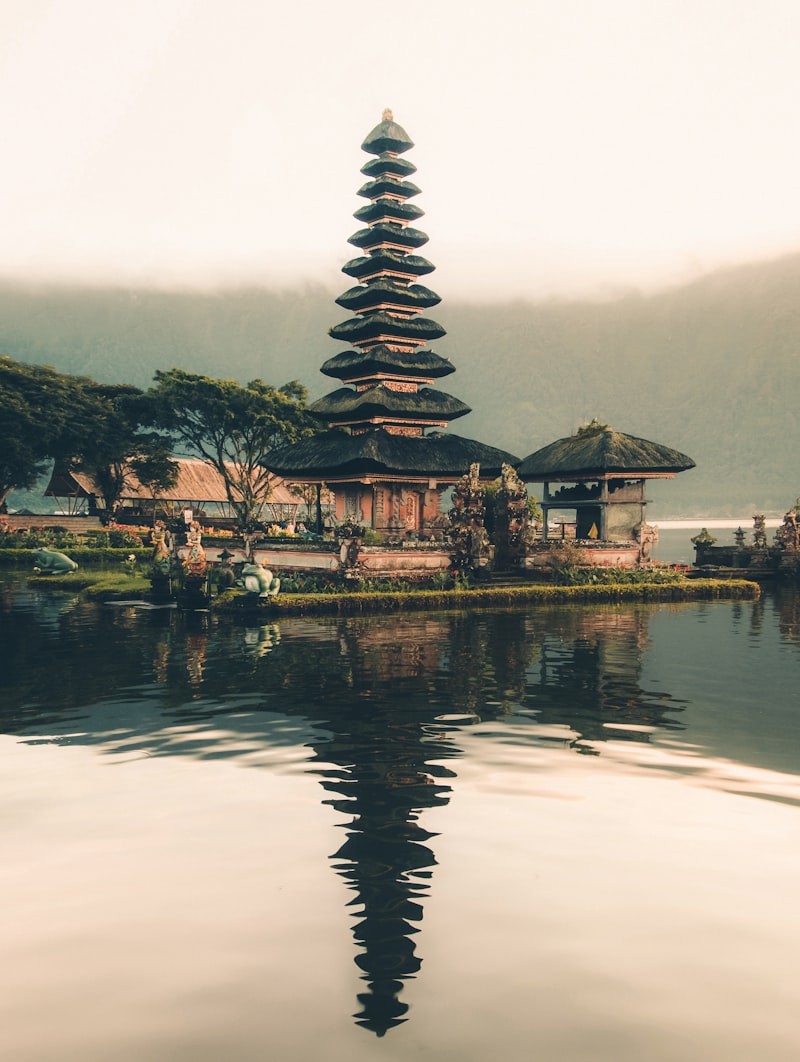
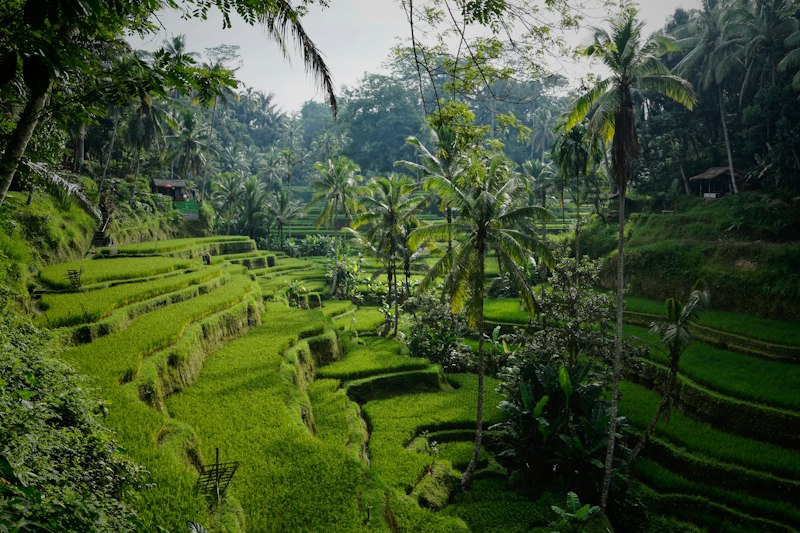
The Bali of the Instagram photographs — the floating temple, the terraced rice fields, the cliffside infinity pools — is real and it is beautiful. It is also, in peak season, packed with people who came to photograph the same thing. But Bali is large and varied and deeply layered, and most of what makes it remarkable is nowhere near the parts of it that get photographed most often.
My first trip to Bali was exactly what you'd expect — Canggu cafes, Seminyak beaches, the famous rice terraces at Tegallalang surrounded by hundreds of other tourists. It was beautiful, yes, but it felt like I was experiencing Bali through a filter, curated for social media rather than authenticity. On my second visit, I decided to do things differently. I stayed in a small village in the north, spent mornings watching local ceremonies instead of chasing Instagram spots, and let myself get lost in places that didn't appear in any guidebook. That trip revealed a Bali I hadn't known existed — quiet, spiritual, deeply connected to traditions that have existed for centuries. The Instagram Bali is real, but the real Bali is so much more.
The north: a different island entirely
Drive north to Singaraja and Lovina and the density and pace drop dramatically. The black sand beaches are quieter. The water in Lake Bratan is cold and clear and ringed by mountains. The locals are genuinely welcoming rather than professionally so. The prices are roughly half what they are in the south. It feels like the island before the world discovered it.
I spent a week in Lovina on my second Bali trip, and it was like visiting a different country. Instead of fighting crowds at popular beaches, I had the black sand coast almost entirely to myself at sunrise. Instead of overpriced tourist restaurants, I ate at family-owned warungs where the owners remembered my name and my favorite dishes. I visited Lake Bratan at dawn, watching the mist rise off the water while fishermen in traditional boats glided silently across the surface. The pace was slower, the connections deeper, the experience more authentic. The north taught me that Bali's magic isn't in its famous spots — it's in the quiet corners where local life continues unchanged, where you can actually experience the island rather than just photograph it.
"Drive north to Singaraja and Lovina and the density and pace drop dramatically. The black sand beaches are quieter."
Ubud without the crowds: timing and intention
Ubud at 6am, before the tour buses arrive, is a different place. The Sacred Monkey Forest in the early morning. The rice fields at Tegallalang before the selfie-stick vendors set up. The daily temple ceremonies that happen whether tourists attend or not — quiet, sincere, and available to anyone who approaches with genuine respect.
On my first trip to Ubud, I visited the Sacred Monkey Forest at midday and found it chaotic — tourists everywhere, monkeys aggressive, the spiritual atmosphere completely lost. On my second visit, I arrived at 6am. For the first hour, I had the forest entirely to myself. The monkeys were calm, moving through the trees as they would without human presence. The temple was quiet, the air thick with incense. I watched a local priest begin his morning rituals, a private moment of devotion that had nothing to do with tourism. That experience taught me that timing matters as much as location. Ubud's magic is still there — you just have to be willing to wake up early enough to find it.
The food, which doesn't get enough credit
Balinese cuisine is remarkable — different from the rest of Indonesian cooking in ways that reflect the island's Hindu culture and isolation. Babi guling (spit-roasted suckling pig), duck cooked in spices and banana leaf, lawar (a richly spiced minced meat salad), and the extraordinary range of street food available from warungs at prices that feel almost impossibly affordable.
The best meal I had in Bali wasn't at a fancy restaurant — it was at a tiny warung in a village near Lovina, where an elderly woman named Ibu Made had been cooking the same dishes for forty years. She made me babi guling from scratch, the pork slow-roasted over an open fire with spices she ground herself. As I ate, she explained how each dish connected to Balinese ceremonies and traditions. The food was extraordinary — complex, aromatic, unlike anything I'd tasted before — but what made it memorable was the connection. I wasn't just eating; I was participating in a culinary tradition that had existed for generations. That meal cost me less than five dollars, but it taught me more about Balinese culture than any temple visit could.
"Balinese cuisine is remarkable — different from the rest of Indonesian cooking in ways that reflect the island's Hindu culture."
The spiritual dimension, approached honestly
Bali is a genuinely devotional place. The offerings placed every morning at doorways and temples, the sound of gamelan at ceremonies, the calendrical complexity of Balinese Hinduism — it isn't a backdrop for your holiday. Approaching it with curiosity and respect, rather than as atmosphere, opens up a dimension of Bali that most visitors never access.
One morning in the north, I woke to the sound of gamelan music drifting through the village. I followed it to a small temple where a ceremony was underway — not a tourist performance, but a genuine religious celebration. The villagers invited me to watch, explaining the significance of each ritual. I saw offerings being prepared, prayers being chanted, a sense of community that transcended individual concerns. That experience taught me that Bali's spirituality isn't something to be photographed and posted on Instagram — it's a living, breathing part of daily life. Approaching it with respect rather than as a tourist attraction opened up a dimension of the island I would never have found in any guidebook.
Products We Love For This
→ Basics 21" Hardside Carry-On Luggage — Shop on Amazon
→ Passport Holder RFID Blocking Travel Wallet — Shop on Amazon
This post contains Amazon affiliate links. If you purchase through our links we may earn a small commission at no extra cost to you. We only recommend products we genuinely rate.
Plan Your Trip
Everything you need — curated and ready to book
This post contains affiliate links. We earn a small commission at no extra cost to you.