The single-person or two-person household spends a disproportionate amount of money on food waste — partly because of over-purchasing, partly because of packaging sizes not designed for small households, and partly because cooking smaller quantities requires different techniques than the family-sized portions most recipes assume. Getting this right saves money, reduces waste, and makes everyday cooking considerably more enjoyable.
When I first started living alone, I threw away shocking amounts of food. I'd buy ingredients for recipes that served four, eat one portion, and watch the rest go bad in the fridge. I'd buy pre-packaged vegetables because they were convenient, then throw away half the package because I couldn't use them fast enough. I felt guilty about the waste and frustrated by the cost. Then a friend who lived alone showed me her system: component cooking, single-pan roasts, strategic freezing. She never threw anything away. I adopted her approach gradually, and within a month, my food waste had dropped to almost zero. I was saving money, yes, but more importantly, cooking had stopped feeling like a chore and started feeling like a pleasure.
The component-cooking approach
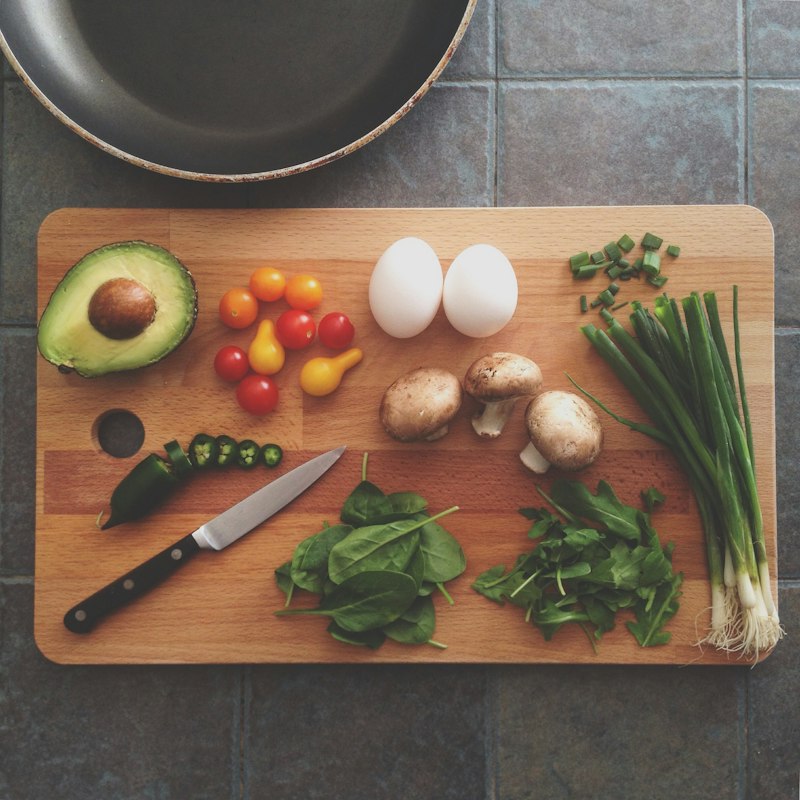
Rather than cooking complete dishes, cook components that can be combined differently across several meals. Roasted vegetables. A batch of grains (farro, quinoa, rice). A protein cooked simply. Dressed separately, combined differently, given different sauces and seasonings — these components become three or four different meals across the week without any of them feeling like leftovers.
This approach changed my relationship with cooking entirely. Instead of cooking a full recipe and eating the same thing for three days, I'd roast a tray of vegetables on Sunday, cook a batch of quinoa, grill some chicken breasts. Monday: quinoa bowl with roasted vegetables and chicken. Tuesday: chicken and vegetables in a wrap. Wednesday: quinoa salad with different dressing. Thursday: vegetables and chicken in a stir-fry. Same components, completely different meals. Nothing felt like leftovers because nothing was presented as leftovers. I was eating fresh, varied meals every day with minimal effort and zero waste. It felt like magic.
"Rather than cooking complete dishes, cook components that can be combined differently across several meals. Roasted vege..."
Master the single-pan roast
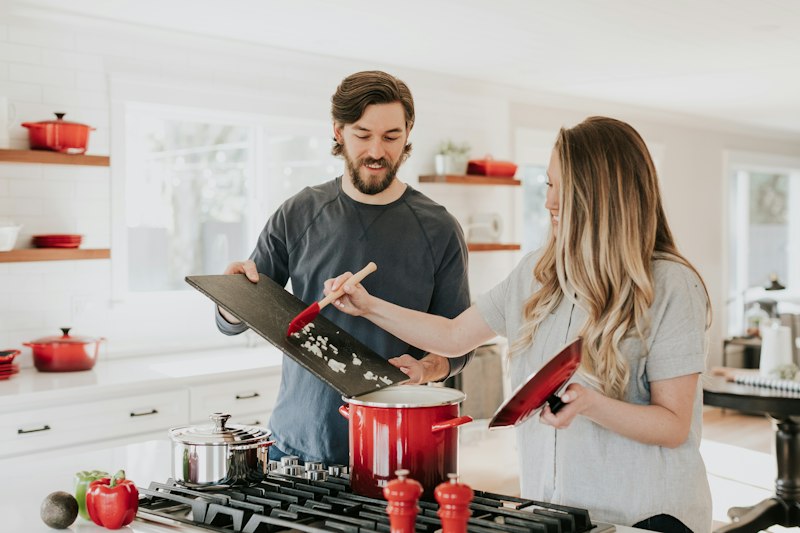
A single portion of protein plus whatever vegetables need using, tossed with olive oil, salt, pepper, and whatever aromatics are to hand, roasted at 200°C for 25–35 minutes, is one of the most forgiving, variable, and delicious meals available to a single-person household. It generates minimal washing up and no waste. It works with almost any combination of ingredients. It never gets boring because the ingredients change.
This became my go-to dinner when I was learning to cook for myself. I'd come home from work, look in the fridge, grab whatever vegetables were starting to wilt, add a piece of chicken or fish, toss it all on a baking sheet with olive oil and whatever herbs I had, and roast it while I changed out of my work clothes. Thirty minutes later, dinner was ready. The beauty was that it never tasted the same twice — sometimes it was chicken with carrots and rosemary, sometimes salmon with asparagus and lemon, sometimes tofu with peppers and cumin. It was always delicious, always used up what needed using, and always required exactly one pan to clean. This single technique eliminated more food waste than anything else I tried.
The freezer as a waste-prevention tool
Bread going stale: slice and freeze. Half a tin of coconut milk: freeze in ice cube trays. Overripe bananas: freeze for smoothies or baking. Leftover stock: freeze in portions. A well-used freezer is one of the most effective anti-waste tools in a small household and one of the most underused. Almost anything can be frozen if prepared correctly.
For years, I treated my freezer as a place to store ice cream and frozen peas — nothing else. Then I started learning what could actually be frozen. Bread that was going stale? Slice it and freeze it — toast straight from frozen. Half a can of coconut milk? Freeze it in ice cube trays for future curries. Vegetables about to go bad? Blanch and freeze them. Leftover wine? Freeze it for cooking. Suddenly my freezer became my best anti-waste tool. I stopped throwing things away and started having ingredients ready when I needed them. The key was learning to freeze things in usable portions — not just throwing a whole block of cheese in the freezer, but grating it first. Once I got the system down, my food waste dropped dramatically.
"Bread going stale: slice and freeze. Half a tin of coconut milk: freeze in ice cube trays. Overripe bananas: freeze for ..."
Buying differently
Loose vegetables rather than pre-packaged (buy exactly what you need). Whole ingredients rather than pre-prepared (half a cabbage goes further than a bag of pre-cut coleslaw mix). Smaller packages of expensive ingredients even if the per-unit cost is higher — the cost of waste always exceeds the cost of the smaller package. Shopping with a concrete meal plan rather than vague intentions dramatically reduces what gets thrown away.
I used to shop with vague intentions — "I'll make something with vegetables this week" — and come home with bags of pre-packaged ingredients that I couldn't use fast enough. Half a bag of spinach would wilt before I finished it. A bag of pre-cut vegetables would go slimy. I was throwing away money every week. Then I started shopping differently: buying loose vegetables so I could get exactly two carrots instead of a whole bag, buying whole cabbages instead of pre-cut mixes, choosing smaller packages even if they cost more per unit. I also started shopping with a concrete meal plan — Monday through Thursday, I knew exactly what I was cooking. The difference was immediate. My grocery bill went down, my waste went down, and my fridge stopped being full of things I felt guilty about not using.
None of this requires a complete overhaul of how you cook or shop. The beauty of small, consistent improvements is that they compound over time in ways that sudden big changes never quite manage. Start with one thing — maybe component cooking, or the single-pan roast. Get comfortable with it. Then add another. Before you know it, cooking for one or two has stopped feeling like a compromise and started feeling like a pleasure.
The people who cook well for small households aren't necessarily the most skilled or the most organized. They're the ones who've stopped treating small-scale cooking as a limitation and started treating it as an opportunity — a chance to cook exactly what they want, to experiment without waste, to enjoy the process without the pressure of feeding a crowd. That shift in framing is worth more than any single recipe I could give you.
Products We Love For This
→ Natural Bamboo Storage Baskets Set of 3 — Shop on Amazon
→ Realistic Artificial Succulent Plant Decor — Shop on Amazon
This post contains Amazon affiliate links. If you purchase through our links we may earn a small commission at no extra cost to you. We only recommend products we genuinely rate.