The way a day ends shapes the next one. Not philosophically — practically. The state of your kitchen when you wake up, whether you know what you're wearing tomorrow, whether you've processed what happened today or are still carrying it — these things determine how the morning begins, which determines how the day unfolds. An intentional evening routine is, counterintuitively, one of the highest-leverage morning investments you can make.
I spent years treating my evening as an extension of my workday — checking emails until bedtime, scrolling through social media while half-watching TV, falling asleep with my phone still in my hand. I'd wake up exhausted, my mind already racing before my feet hit the floor. Then a friend who seemed perpetually calm and well-rested told me about her evening routine. She didn't call it a routine — she called it "closing the day." The concept stuck with me. I started experimenting with small changes: putting my phone away an hour before bed, taking ten minutes to prep for tomorrow, ending the day with a book instead of a screen. The difference wasn't immediate, but over weeks, I noticed something profound: I was actually sleeping. I was waking up without that familiar morning dread. My days felt more manageable because they weren't starting from a place of chaos.
The transition ritual: signalling that work is done
The biggest challenge of modern working life is that work doesn't end — it trails into the evening on phones and laptops and in the background of the mind. A deliberate transition ritual — changing clothes when you get home, a short walk, twenty minutes without screens — physically and psychologically signals the shift from work mode to rest mode. Without this signal, the nervous system stays in a low-grade alert state that impairs both the quality of your evening and your sleep.
For years, I'd come home and immediately open my laptop, convinced I'd just "finish one thing" before relaxing. That one thing inevitably became three things, and suddenly it was 9pm and I hadn't actually relaxed at all. A therapist suggested a transition ritual — something simple but deliberate that signals to my brain that work is over. I started changing into comfortable clothes the moment I walked in the door, then taking ten minutes to sit with a cup of tea without doing anything productive. It felt strange at first, almost guilty — like I should be using that time more efficiently. But within a week, I noticed something: I was actually present in my evenings instead of mentally still at my desk. The work was still there the next morning, but the evening was mine again.
"The biggest challenge of modern working life is that work doesn't end — it trails into the evening on phones and laptops..."
The prep that takes ten minutes and saves thirty tomorrow
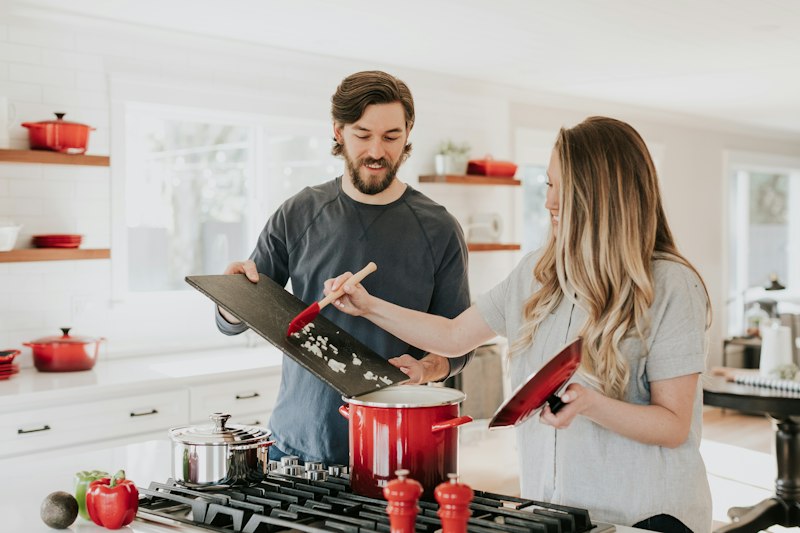
Pack the bag for tomorrow. Lay out what you're wearing. Write down the three things that must happen tomorrow (not an exhaustive list — three). Close open mental loops that would otherwise circulate at 2am. This small investment of time eliminates the decision fatigue and low-level anxiety that make mornings harder than they need to be.
I used to wake up every morning with a vague sense of anxiety — what did I need to do today? What was I wearing? Did I pack everything? My mind would race before I even got out of bed. A friend suggested the "ten-minute evening prep" — not a full planning session, just the basics. I started laying out my clothes, packing my bag, and writing down three priorities for the next day. The first morning after doing this, I woke up and actually felt calm. I knew what I was wearing, I knew what I needed to do, and my brain wasn't trying to solve problems before I'd even had coffee. That ten minutes in the evening bought me thirty minutes of peace in the morning — and that's a trade I'll make every time.
Screens and sleep: the non-negotiable hour
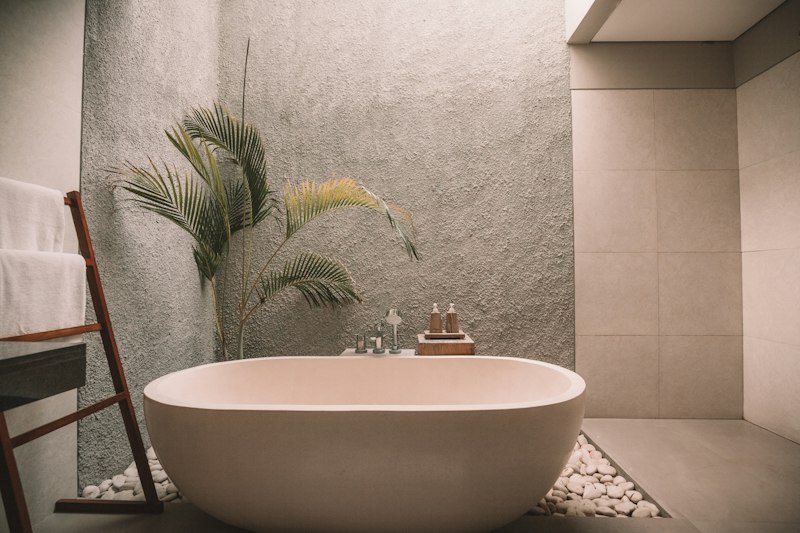
Blue light exposure from screens in the hour before sleep suppresses melatonin production and delays sleep onset. This is not a contested finding. The hour before your target sleep time belongs to low-stimulation, low-light activities: reading, gentle conversation, music, a bath, journaling. This single change consistently improves both sleep onset time and sleep quality for most people who implement it.
I was the person who checked email in bed, scrolled through social media until my eyes couldn't focus, and then wondered why I couldn't fall asleep. My brain was still processing information, still engaged, still alert. A sleep specialist finally told me the obvious: screens and sleep don't mix. I started implementing a "no screens" rule one hour before bed — putting my phone in another room, closing my laptop, and doing something analog instead. The first few nights were hard — I felt restless, like I was missing something. But then I started reading again. I started journaling. I started having actual conversations with my partner instead of sitting next to each other on our phones. And I started sleeping — actually, deeply sleeping. The hour without screens became the best part of my day, and the sleep that followed was better than anything I'd experienced in years.
"Blue light exposure from screens in the hour before sleep suppresses melatonin production and delays sleep onset. This i..."
The small pleasures that matter
Evening routines aren't only about optimising sleep. They're also about ending the day in a way that acknowledges it was yours. A cup of tea you chose because you love it. A few pages of a book that has nothing to do with productivity. A conversation that isn't about logistics. These are not indulgences — they're the part of the day that makes the day worth having. Protect them.
I used to feel guilty about spending my evenings on things that weren't "productive" — reading fiction, taking long baths, sitting with a cup of tea and doing absolutely nothing. I felt like I should be using that time more efficiently. Then I realized something: if every moment of my day was optimized for productivity, when was I actually living? I started protecting small evening pleasures — twenty minutes with a novel, a bath with no phone, a conversation with my partner that wasn't about schedules or logistics. These moments became anchors in my day — things I looked forward to, things that reminded me that life isn't just about getting things done. My sleep improved, yes, but more importantly, my relationship with myself improved. I stopped feeling like a machine and started feeling like a person again.
None of this requires a complete overhaul of your life. The beauty of small, consistent improvements is that they compound over time in ways that sudden big changes never quite manage. Start with one thing — maybe the screen-free hour, or the ten-minute evening prep. Get comfortable with it. Then add another. Before you know it, your evening has stopped feeling like an extension of your workday and started feeling like the rest it was meant to be.
The people whose evenings feel restful aren't necessarily the most disciplined or the most organized. They're the ones who've stopped treating their evening as something to get through and started treating it as something to actually enjoy — or at least, something that nourishes them rather than drains them. That shift in framing is worth more than any single tip I could give you.
Products We Love For This
→ Branch Basics Non-Toxic Cleaning Concentrate — Shop on Amazon
→ Sherpa Fleece Throw Blanket 50x60 Inch — Shop on Amazon
This post contains Amazon affiliate links. If you purchase through our links we may earn a small commission at no extra cost to you. We only recommend products we genuinely rate.