There's a reason the Scandinavian concept of hygge caught on so widely: it named something people had been quietly craving for years. A home that feels warm, safe, human, and unhurried. The opposite of the cold, curated aesthetic that dominated interior design for a decade. Here's how to build that feeling intentionally.
I spent years chasing the minimalist, curated aesthetic that filled every design magazine — white walls, sleek surfaces, not a thing out of place. My apartment looked beautiful in photos, but it never felt comfortable. I was always afraid to sit on the sofa, afraid to leave a book on the table, afraid to actually live in my own home. Then I visited a friend's apartment that wasn't designed at all — it was just lived in. Throws draped everywhere, books stacked on the floor, plants in every corner, warm light from multiple lamps. It felt like a hug. That's when I understood: cosiness isn't about following a trend — it's about creating a space that welcomes you, that lets you relax, that feels like a refuge from the world.
Soft layers and texture
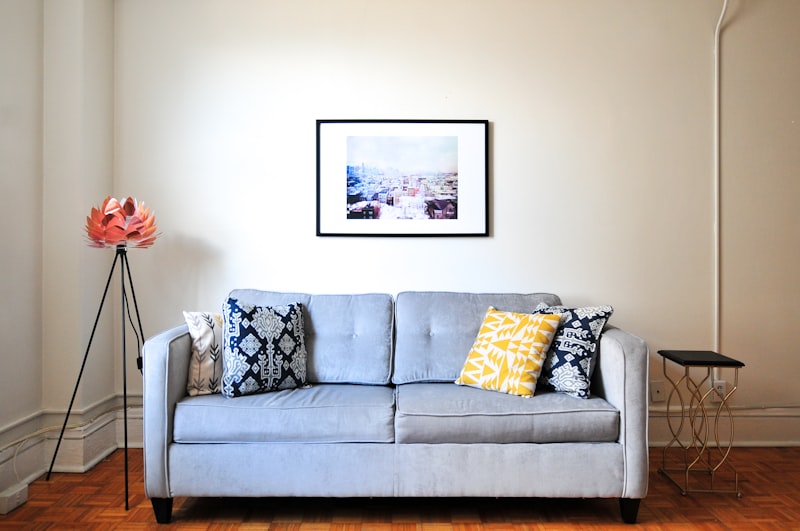
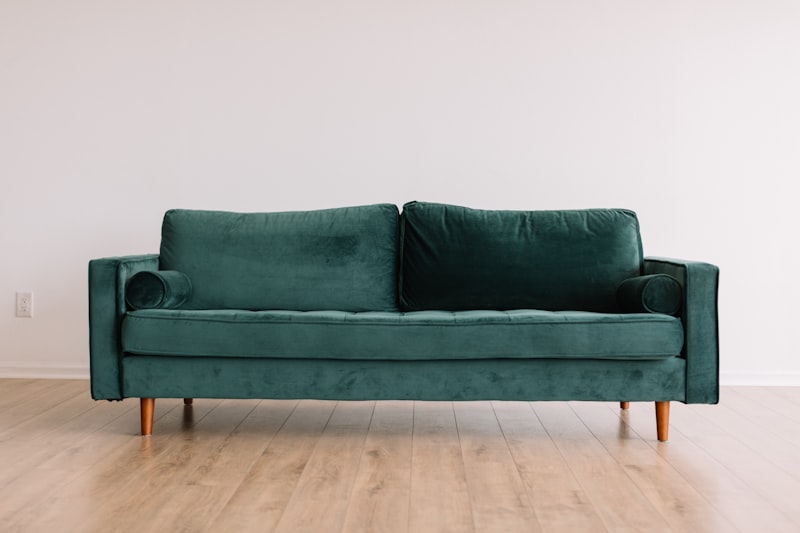
Cosiness is almost always tactile first. Chunky knit throws, velvet cushions, sheepskin rugs, soft cotton curtains — materials that invite touch create warmth even before you've sat down. Layer textures rather than matching them exactly. The imperfection is part of what makes it feel lived-in and real.
When I started making my home cozy, the first thing I did was add a chunky knit throw to my sofa. Just one. The difference was surprising — suddenly the sofa looked inviting instead of formal. I added velvet cushions, a sheepskin rug draped over the armchair, soft cotton curtains instead of the stiff blinds that came with the apartment. Each addition made the space feel warmer, more tactile, more like somewhere I actually wanted to be. I stopped worrying about whether everything matched perfectly and started focusing on how everything felt. The imperfection — the mix of textures, the slight chaos — became part of the charm. My home stopped looking like a showroom and started feeling like a place where people actually live.
"Cosiness is almost always tactile first. Chunky knit throws, velvet cushions, sheepskin rugs, soft cotton curtains — mat..."

Warm light at every level
Overhead lighting is the enemy of cosiness. Floor lamps, table lamps, candles, string lights — light placed at different heights and in warm tones (2700K or below) transforms the atmosphere of a room completely. The goal is pools of light, not even illumination.
I used to rely entirely on overhead lighting — bright, harsh, illuminating every corner of the room. It was practical, but it was the opposite of cozy. Then I started experimenting with lamps: a floor lamp in the corner, a table lamp beside the sofa, candles on the dining table, string lights draped across the bookshelf. The transformation was immediate. Instead of one harsh light flooding the room, I had pools of warm light that created intimacy and atmosphere. I could adjust the mood by turning on different combinations of lamps. The room felt softer, warmer, more human. Now I rarely use overhead lighting at all — the layered light has become essential to how my home feels.
Something living
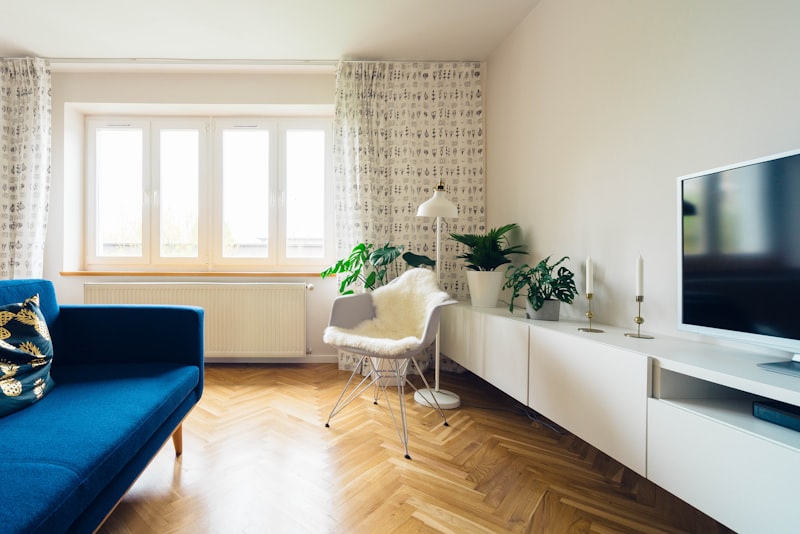
Plants, flowers, a bowl of fruit — living things make spaces feel inhabited and cared for. They bring in scale, colour, and something that changes over time. Even one good houseplant in the right corner shifts the energy of a room.
My apartment felt sterile until I brought home my first plant — a simple pothos in a terracotta pot. Suddenly there was something alive in the space, something that needed care, something that changed and grew. I added more plants over time — a snake plant in the bedroom, a peace lily in the bathroom, fresh flowers on the dining table when I could find them. The difference wasn't just visual — it was the feeling of life, of growth, of something that wasn't static. Even when I was away, the plants were there, quietly doing their thing. My home stopped feeling like a container and started feeling like an ecosystem. That subtle shift made everything feel more alive, more welcoming, more like somewhere I actually wanted to be.
"Plants, flowers, a bowl of fruit — living things make spaces feel inhabited and cared for. They bring in scale, colour, ..."
Personal objects, thoughtfully placed
The most cosy homes are the most personal ones. Books you've actually read. Photographs of people you love. Objects that carry stories. These things communicate that the space belongs to someone specific — and that specificity is what makes a house feel like a home.
I used to hide my personal objects — books on shelves, photographs in drawers, mementos in boxes — convinced that a "designed" home should be free of clutter. Then I visited a friend whose home was filled with her life: books stacked on every surface, photographs framed and unframed, objects collected from travels, things that meant something to her. Her home felt more alive than mine ever had. I started bringing my own objects out — my grandmother's vase on the mantel, photographs of family on the sideboard, books I loved on the coffee table. Suddenly my home told a story — my story. It wasn't generic anymore. It was mine. That specificity, that personal touch, is what makes a space feel cozy — not because it's perfect, but because it's real.
None of this requires a complete overhaul of your home. The beauty of small, consistent improvements is that they compound over time in ways that sudden big changes never quite manage. Start with one thing — maybe a throw, or a lamp, or a single plant. Get comfortable with it. Then add another. Before you know it, your home has stopped feeling like a space you occupy and started feeling like a sanctuary.
The people whose homes feel cozy aren't necessarily the ones with the most beautiful things or the most perfect design. They're the ones who've stopped treating their home as a project to be completed and started treating it as a place to be lived in — a place that welcomes them, that reflects who they are, that feels like a refuge from the world. That shift in framing is worth more than any single design tip I could give you.
Products We Love For This
→ StorageManiac Bamboo Storage Box Set — Shop on Amazon
→ Nearly Natural Faux Plant Arrangement Set — Shop on Amazon
This post contains Amazon affiliate links. If you purchase through our links we may earn a small commission at no extra cost to you. We only recommend products we genuinely rate.