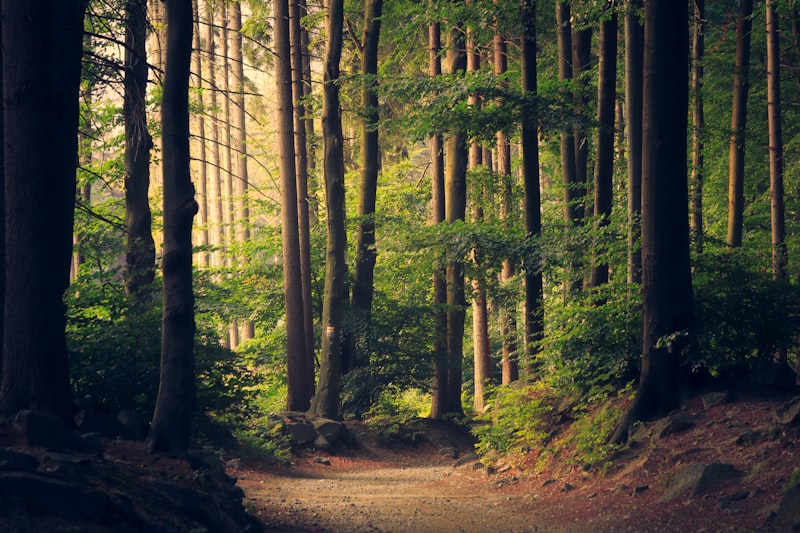
There is a Japanese practice called shinrin-yoku — forest bathing — that involves spending time in natural environments with deliberate sensory attention. It has been studied extensively, and the findings are remarkable: measurable reductions in cortisol, blood pressure, and heart rate; improved immune function (specifically increased natural killer cell activity); improvements in mood and attention that persist for days after a single session. This is not mysticism. This is what happens to a human body when it spends time where human bodies evolved to be.
I used to dismiss nature as optional — nice when convenient but not essential. When I finally learned about shinrin-yoku and the research showing measurable reductions in cortisol, blood pressure, and heart rate from time in nature, I understood this is what happens to a human body when it spends time where human bodies evolved to be. Nature isn't optional; it's medicine.
The attention restoration effect
Natural environments engage what psychologists call involuntary attention — the effortless, low-demand kind that requires no concentration. Cities, screens, and social demands engage directed attention — the effortful kind that depletes over time. Nature essentially recharges the attention system by giving it something interesting that requires nothing of it. After forty minutes in a natural setting, measures of attentional capacity and cognitive performance improve significantly. This is why a walk in a park restores you in a way that sitting in a café doesn't, even if both feel restful.
I used to think any restful activity would restore me equally. When I finally understood that natural environments engage involuntary attention while cities and screens engage directed attention, I realised why a walk in a park restores me differently than sitting in a café. Nature recharges the attention system by giving it something interesting that requires nothing of it.
"Natural environments engage what psychologists call involuntary attention — the effortless, low-demand kind that require..."
Urban nature counts
You don't need a forest or a national park. Studies consistently show that green spaces within cities — parks, tree-lined streets, community gardens, even views of nature through a window — produce measurable benefits. The dose matters: a daily twenty-minute walk through a green space produces consistent wellbeing benefits. A weekly longer immersion produces more. Both are worth pursuing.
I used to think I needed a forest or national park for nature to count. When I finally learned that urban green spaces — parks, tree-lined streets, community gardens, even views through a window — produce measurable benefits, I started prioritising daily twenty-minute walks through green spaces. The dose matters, but urban nature absolutely counts.
Phone away, senses open
The benefits of time in nature are significantly enhanced by engaging the senses deliberately rather than walking through it while listening to a podcast or scrolling. Notice what you see, hear, smell, and feel. This is the "bathing" element of forest bathing — full sensory attention to the natural environment. It sounds small. The physiological difference is not.
I used to walk through nature while listening to podcasts or scrolling, convinced multitasking was efficient. When I finally started engaging my senses deliberately — noticing what I see, hear, smell, and feel — I understood the "bathing" element of forest bathing. Full sensory attention to the natural environment sounds small, but the physiological difference is significant.
"The benefits of time in nature are significantly enhanced by engaging the senses deliberately rather than walking throug..."

Making it non-negotiable
Schedule outdoor time the way you'd schedule exercise or sleep. A morning walk before work. Lunch eaten outside rather than at a desk. An evening in the garden or a nearby park. These aren't luxuries. They're maintenance — the basic upkeep of a nervous system that functions well and a mind that has the resources to meet the demands placed on it.
I used to treat outdoor time as a luxury — nice when convenient but optional. When I finally started scheduling it the way I schedule exercise or sleep — morning walks, lunch outside, evenings in the garden — I understood this is maintenance, not luxury. It's the basic upkeep of a nervous system that functions well and a mind that has the resources to meet demands.
None of this requires a complete overhaul. The beauty of small, consistent improvements is that they compound over time in ways that sudden big changes never quite manage. Start with one thing. Get comfortable with it. Then add another.
The people I know who get outside regularly didn't achieve it overnight — they refined gradually: one morning walk, one lunch outside, one sensory-engaged nature moment at a time. Those small changes compounded into a nature habit that feels essential. Getting outside is built through consistent scheduling, not one dramatic commitment.
Products We Love For This
→ Gamma Ray Flex Blue Light Blocking Glasses — Shop on Amazon
→ Magnesium Glycinate 400mg High Absorption — Shop on Amazon
This post contains Amazon affiliate links. If you purchase through our links we may earn a small commission at no extra cost to you. We only recommend products we genuinely rate.