In This Guide
Traveling to Kyoto with a baby requires a different calculus than traveling alone or even with older children. The needs of an infant—feeding schedules, nap times, diaper changes, the constant need for quiet spaces—dictate not just where you stay but how you experience the city. A neighborhood that feels perfect for solo exploration can become overwhelming with a stroller, a temple that seems essential to visit can become impossible to navigate with a sleeping baby, and a restaurant that looks charming can lack the high chairs and changing facilities that make dining with an infant possible. What follows here is a guide to Kyoto's neighborhoods through the lens of infant travel, identifying the areas that make the logistics of life with a baby manageable rather than a constant source of stress.
The choice of where to stay in Kyoto with a baby becomes not about proximity to the most famous attractions but about access to the practical infrastructure that makes daily life possible. This means neighborhoods with pharmacies and convenience stores within walking distance, areas with wide sidewalks that accommodate strollers, districts with family-friendly restaurants that understand the needs of parents with infants. The right neighborhood becomes your sanctuary, a place where you can retreat when the baby needs a nap, where you can find formula or diapers at a moment's notice, where the rhythm of the city accommodates rather than conflicts with the unpredictable schedule of an infant.
Kyoto Station Area: Best for Accessibility and Amenities
Kyoto Station rises like a futuristic temple, its glass facade reflecting the ancient city that surrounds it. For families with babies, this area offers unparalleled convenience—the station building itself contains everything needed for comfortable travel with an infant, from pharmacies and convenience stores to department stores with baby supplies and restaurants with family-friendly facilities. The underground shopping mall provides air-conditioned respite during hot summer days, the food court offers options for every dietary need, and the tourist information center provides maps and guidance in multiple languages, all accessible without leaving the station complex.
What makes the Kyoto Station area particularly appealing for families with babies is the transportation access. The shinkansen platforms are steps away from the hotels, making arrival and departure with a baby significantly easier than navigating through crowded stations. The subway lines connect directly to the building, allowing you to explore Kyoto without the complexity of transferring between different train lines with a stroller. The airport bus stops at the door, eliminating the need to navigate Kyoto's streets with luggage and a baby. For families who value convenience above all else, the Kyoto Station area provides a level of accessibility that no other neighborhood can match.
Pros for Families with Babies
The Kyoto Station area excels at the practical amenities that make life with a baby manageable. The station building contains pharmacies that stock formula, diapers, and baby medications. The department stores offer baby clothes, toys, and supplies. The convenience stores are open 24 hours, providing access to essentials at any time. The restaurants in the area tend to be larger and more accommodating, with high chairs and changing facilities more common than in traditional neighborhoods. The wide sidewalks and pedestrian-friendly streets make stroller navigation straightforward, even during peak hours.
What the station area also provides is predictability. The layout is modern and logical, the signage is clear and often in English, and the staff are accustomed to assisting international travelers. For parents who are already managing the unpredictability of an infant's schedule, this predictability becomes invaluable. You know where to find what you need, you know how to get where you're going, and you know that help is available if you need it. This certainty reduces the stress of travel, allowing families to focus on experiencing Kyoto rather than constantly worrying about logistics.
Cons to Consider
The trade-off of staying in the Kyoto Station area is the lack of traditional Kyoto atmosphere. The neighborhood is modern and commercial, with the glass and steel of the station dominating the landscape. The traditional machiya houses and lantern-lit streets that define Kyoto's character are elsewhere in the city, requiring transportation to reach. For families who want to immerse themselves in traditional Japanese culture from their doorstep, the station area may feel too modern and disconnected from the Kyoto they came to experience.
The Kyoto Station area prioritizes convenience over atmosphere, making it ideal for families who value accessibility above all else. For families with babies, this convenience often outweighs the lack of traditional charm, particularly for shorter stays where logistics matter more than immersion.
Gion: Best for Traditional Kyoto Experience
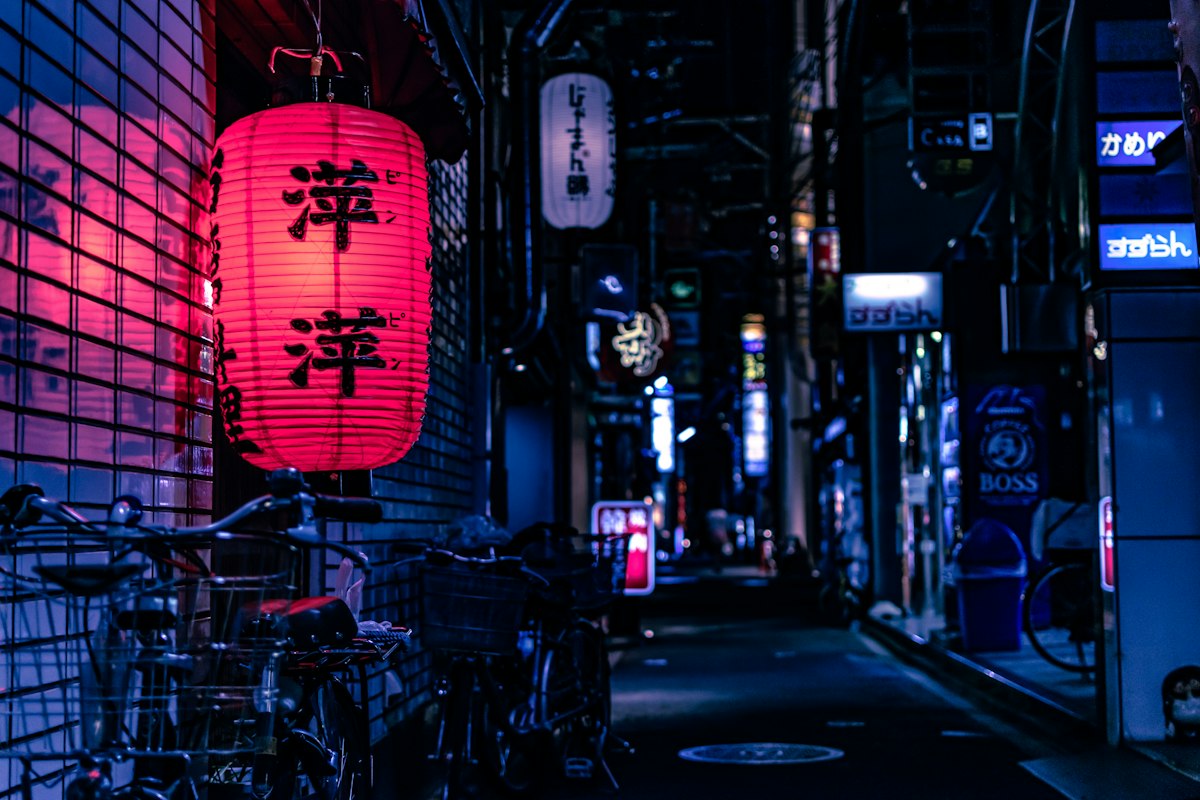
Gion is Kyoto's most famous district, the heart of the geisha tradition, where wooden machiya houses glow with the warm light of paper lanterns that line the narrow streets. For families with babies, Gion offers the opportunity to experience traditional Kyoto from a central location, with many of the city's most famous temples and shrines within walking distance. The district is home to Yasaka Shrine, one of Kyoto's most important religious sites, and to Kennin-ji, Kyoto's oldest Zen temple, both of which offer spacious grounds where babies can be carried in carriers without the need for strollers.
What makes Gion appealing for families with babies is the walkability combined with cultural immersion. The district is compact enough that most major attractions are accessible on foot, reducing the need for complicated transportation with a stroller. The streets, while narrow, are generally pedestrian-friendly during the day, and the temples provide quiet spaces where babies can nap in carriers while parents explore. The traditional architecture creates a unique environment for babies to experience, with the sounds of temple bells and the sight of geiko and maiko moving through the streets providing early exposure to Japanese culture.
Pros for Families with Babies
Gion's proximity to major attractions is its greatest advantage for families with babies. Yasaka Shrine, with its spacious grounds and peaceful atmosphere, is an ideal destination for morning walks with a baby. The preserved streets of Hanamikoji and Shirakawa offer traditional scenery that can be enjoyed at a leisurely pace, perfect for pushing a stroller when the streets are less crowded. The district is home to some of Kyoto's finest ryokans and boutique hotels, many of which offer family-friendly amenities and the kind of personalized service that can make travel with an infant significantly easier.
What Gion also provides is a slower pace of life. The district, while popular with tourists, maintains a residential character that creates a calmer environment than more commercial areas. The mornings and evenings are particularly peaceful, ideal for walks with a sleeping baby. The traditional tea houses and restaurants, while not always equipped with high chairs, tend to be accommodating when asked, and the staff are often experienced in serving families with children. This combination of cultural immersion and family-friendly atmosphere makes Gion an excellent choice for parents who want to experience traditional Kyoto without sacrificing comfort.
Cons to Consider
The narrow streets of Gion can be challenging with strollers, particularly during peak tourist hours when the sidewalks become crowded. The traditional buildings, while beautiful, often lack the modern amenities that families with babies rely on—elevators, wide doorways, accessible bathrooms. The restaurants in the area tend to be small and traditional, with limited space for strollers and changing facilities. For families who rely heavily on strollers and modern conveniences, Gion may require more adaptation than other neighborhoods.
Higashiyama: Best for Temple Grounds and Spacious Walks
Higashiyama rises along the eastern hills of Kyoto, its streets lined with preserved machiya houses that date back to the Edo period. This is the district that first-time visitors imagine when they think of Kyoto—narrow lanes, wooden temples, the scent of incense drifting from shrine grounds. For families with babies, Higashiyama offers the unique advantage of temple grounds that provide spacious, peaceful environments for exploration. Kiyomizu-dera temple, with its famous wooden stage and panoramic views of the city, offers extensive grounds where babies can be carried in carriers while parents take in the scenery.
What makes Higashiyama particularly appealing for families with babies is the combination of cultural significance and practical accessibility. The preserved streets of Sannenzaka and Ninenzaka, while steep, are pedestrian-only and lined with shops that cater to tourists, including those selling baby supplies and souvenirs. The temples in the area provide quiet spaces where babies can nap, and the hills offer natural shade that provides relief during hot summer days. The district is walkable from central Kyoto, reducing the need for complicated transportation with a stroller.
Pros for Families with Babies
Higashiyama's temple grounds are its greatest asset for families with babies. Unlike crowded city streets, temple grounds offer spacious, peaceful environments where babies can move freely or nap in carriers without the constant stimulation of urban life. Kiyomizu-dera in particular provides extensive grounds with plenty of shade and seating, ideal for longer visits with a baby. The Yasaka Pagoda area offers similar benefits, with spacious temple grounds and traditional streets that can be explored at a leisurely pace.
What Higashiyama also provides is a natural environment that babies often find calming. The sound of temple bells, the sight of traditional architecture, the scent of incense—these sensory experiences create a unique environment for infants, different from the overstimulation of modern cities. The district is also home to several parks and green spaces, providing opportunities for babies to experience nature in a safe, controlled environment. For families who want to combine cultural exploration with baby-friendly spaces, Higashiyama is difficult to beat.
Cons to Consider
The steep streets of Higashiyama can be challenging with strollers, particularly the famous stone steps that lead to Kiyomizu-dera. Carrying a stroller up and down these steps is exhausting, and the streets can be crowded with tourists, making navigation difficult. The area is hilly, which can be tiring for parents already managing the physical demands of carrying a baby. For families who rely heavily on strollers, Higashiyama may require more physical effort than other neighborhoods.
Arashiyama: Best for Nature and Quiet Spaces
Arashiyama lies in the western hills of Kyoto, its famous bamboo grove creating a cathedral of green that feels almost otherworldly. For families with babies, Arashiyama offers respite from the urban energy of central Kyoto, providing natural environments that are often calming for infants. The bamboo grove, while popular, offers wide paths that accommodate strollers, and the surrounding hills provide natural shade and fresh air. The Togetsukyo Bridge spans the Katsura River, offering views of the surrounding hills and a peaceful environment for morning or evening walks with a baby.
What makes Arashiyama unique for families with babies is the combination of natural beauty and accessibility. The district is accessible via the JR Sagano Line from Kyoto Station, making it easy to reach despite its rural feel. The bamboo grove and temple grounds provide spacious, quiet environments where babies can nap in carriers while parents take in the scenery. The river area offers opportunities for peaceful walks along the water, with the gentle sound of the river creating a calming environment for infants. The slower pace of life in Arashiyama, compared to central Kyoto, often aligns better with the unpredictable schedule of a baby.
Pros for Families with Babies
Arashiyama's natural environment is its greatest advantage for families with babies. The bamboo grove provides a unique sensory experience for infants—the filtered light, the sound of wind through the bamboo, the cool temperature even on hot days. The temple grounds, particularly Tenryu-ji with its UNESCO World Heritage garden, offer spacious, peaceful environments where babies can move freely or nap. The river area provides opportunities for gentle walks along the water, with plenty of benches for resting when needed.
What Arashiyama also provides is a quieter, less stimulating environment than central Kyoto. The slower pace of life, the natural surroundings, the absence of constant urban noise—these elements create an environment that is often more comfortable for babies. The district is also home to several family-friendly restaurants that understand the needs of parents with infants, providing high chairs and changing facilities. For families who want to combine nature exploration with baby-friendly spaces, Arashiyama is an excellent choice.
Cons to Consider
The distance from central Kyoto is the main drawback of staying in Arashiyama with a baby. The district requires train travel to reach central Kyoto's attractions, which can be challenging with a stroller during peak hours. The area is more spread out than central districts, requiring more walking to reach different attractions. For families who want to base themselves in central Kyoto and take day trips to Arashiyama, staying elsewhere and visiting for the day may be more practical than staying in the district itself.
Neighborhood Comparison for Families with Babies
| Neighborhood | Accessibility | Baby Amenities | Atmosphere |
|---|---|---|---|
| Kyoto Station | Excellent | Excellent | Modern |
| Gion | Good | Good | Traditional |
| Higashiyama | Good | Good | Cultural |
| Arashiyama | Fair | Good | Natural |
Complete Your Kyoto Family Stay
Everything you need for a comfortable family experience in Kyoto
Affiliate disclosure: We may earn a commission if you book through our links, at no extra cost to you.
Frequently Asked Questions
Is Kyoto stroller-friendly for babies?
Kyoto's modern areas like Kyoto Station are very stroller-friendly, with wide sidewalks and elevators. Traditional neighborhoods like Gion and Higashiyama can be challenging due to narrow streets and stairs. Consider a lightweight umbrella stroller for easier navigation.
Can I find baby supplies in Kyoto?
Yes, pharmacies and convenience stores throughout Kyoto stock formula, diapers, and baby supplies. The Kyoto Station area has the most comprehensive selection, with department stores offering baby clothes and equipment.
Are restaurants in Kyoto baby-friendly?
Many restaurants in Kyoto accommodate babies, particularly in modern areas like Kyoto Station. Traditional restaurants may lack high chairs and changing facilities. Call ahead or choose family-friendly establishments when dining with a baby.
What's the best way to get around Kyoto with a baby?
Taxis are the most convenient option for travel with a baby, though they can be expensive. The subway system is accessible but may require carrying strollers up stairs. Walking is feasible in central areas but can be tiring with a baby.
Should I bring a baby carrier or stroller to Kyoto?
Both are useful. A carrier is ideal for temple visits and areas with stairs, while a stroller is better for longer walks and modern areas. Many parents bring both and switch depending on the day's activities.
Packing Checklist for Kyoto With a Baby
Being well-prepared makes your Kyoto experience with a baby smoother and more enjoyable. Here's a simple packing checklist to consider:
- Lightweight pajamas for children — comfortable sleepwear that doesn't take up much luggage space
- Easy-on/easy-off shoes — essential for temple visits where you'll frequently remove footwear
- Socks for tatami floors — bring clean socks for ryokan stays and temple visits
- Swim diapers are generally not appropriate for onsen — most onsen facilities don't allow swimwear or diapers in bathing areas
- Favorite bedtime comfort item — helps children adjust to unfamiliar accommodations
- Small entertainment for quiet evenings — books, games, or tablets for downtime in your accommodation
Affiliate disclosure: We may earn a commission if you purchase through our links, at no extra cost to you.