In This Guide
Choosing where to stay in Kyoto is one of the most important decisions you'll make when planning your trip. The right neighborhood can put you within walking distance of temples, immerse you in traditional atmosphere, or provide convenient access to transportation for day trips. The wrong choice can mean long commutes, missing out on evening ambiance, or feeling disconnected from the Kyoto experience you came for.
I've stayed in every major Kyoto neighborhood over multiple visits, from luxury hotels in Gion to business hotels near the station and traditional ryokans in Arashiyama. Each area has its own personality, advantages, and trade-offs. This guide breaks down the five best neighborhoods for visitors, helping you choose based on your travel style, budget, and priorities.
Best Areas Overview
Kyoto's five main visitor neighborhoods each offer a distinct experience. Here's a quick overview to help you orient yourself:
| Neighborhood | Best For | Atmosphere | Transport | Price Level |
|---|---|---|---|---|
| Gion | Traditional luxury, geisha spotting | Most atmospheric | Moderate | High |
| Higashiyama | Temple hopping, traditional streets | Very atmospheric | Good | Medium-High |
| Downtown | Convenience, dining, shopping | Modern mixed | Excellent | Medium |
| Kyoto Station | Day trips, early trains | Modern | Best | Medium |
| Arashiyama | Nature, bamboo forest, ryokans | Rural peaceful | Fair | Medium-High |
Gion District
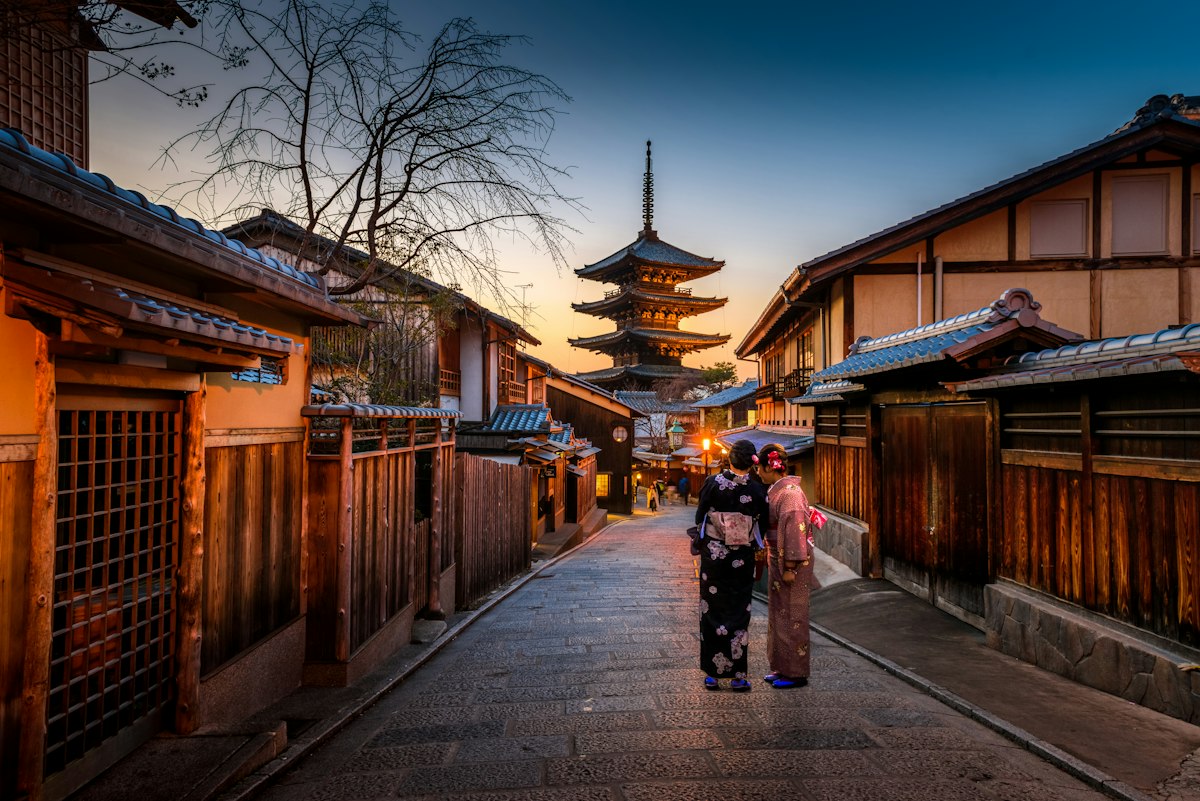
Gion is Kyoto's most famous and atmospheric neighborhood — the heart of the city's geisha culture and traditional entertainment district. Walking through Gion's narrow streets lined with wooden machiya houses, especially in the evening when lanterns glow, feels like stepping into old Japan. This is where you're most likely to spot geisha or maiko (apprentice geisha) on their way to evening appointments.
Why Stay in Gion
Gion offers the most authentically traditional Kyoto experience. You'll be within walking distance of major attractions like Yasaka Shrine, Maruyama Park, and the eastern temple district. The area is filled with traditional restaurants, tea houses, and shops selling crafts and sweets. Evening walks here are magical, especially along Hanami-koji street.
Best Areas in Gion
The core of Gion centers around Hanami-koji and Shirakawa Lane. Hanami-koji is the main street with tea houses and restaurants, while Shirakawa Lane along the canal is particularly beautiful with willow trees and stone bridges. The southern part of Gion (Gion Kobu) is more atmospheric, while northern Gion (Gion Higashi) is slightly quieter.
Accommodation in Gion
Gion has some of Kyoto's finest luxury hotels and traditional ryokans. This is where you'll find properties like the Four Seasons Kyoto, which combines modern luxury with traditional design. There are also smaller boutique hotels and guesthouses, though options are more limited and prices higher than other areas. For specific recommendations, see our guide to Best Luxury Hotels in Kyoto.
Pros & Cons
Pros: Most atmospheric neighborhood, walkable to major temples, excellent traditional dining, high chance of seeing geisha, beautiful evening ambiance.
Cons: Most expensive area, limited accommodation options, can be crowded with tourists in evenings, some streets can be quiet at night.
Book Gion accommodation well in advance, especially for cherry blossom and autumn foliage seasons. The best properties sell out months ahead. If budget is a concern, consider staying just outside Gion in nearby Higashiyama for similar atmosphere at lower prices.
Higashiyama
Higashiyama (Eastern Mountains) is Kyoto's temple district and home to some of the city's most famous sights. This area includes Kiyomizu-dera temple, the preserved slopes of Sannen-zaka and Ninen-zaka, and countless smaller temples and shrines. It's one of the most atmospheric areas of Kyoto, especially in the early morning before crowds arrive.
Why Stay in Higashiyama
Staying in Higashiyama puts you at the heart of Kyoto's temple culture. You can visit Kiyomizu-dera at sunrise when it's nearly empty, explore the traditional streets without crowds, and easily reach other eastern temples like Kodai-ji and Yasaka Shrine. The area is incredibly walkable and photogenic, with traditional wooden buildings and temple views at every turn.
Best Areas in Higashiyama
The area around Kiyomizu-dera and the preserved slopes of Sannen-zaka and Ninen-zaka is the most atmospheric. The streets here are lined with traditional shops selling crafts, pottery, and sweets. Further south, around Yasaka Shrine and Maruyama Park, you'll find more restaurants and a slightly livelier atmosphere. The northern Higashiyama area near Ginkaku-ji is quieter and more residential.
Accommodation in Higashiyama
Higashiyama offers a good mix of accommodation types, from luxury hotels to traditional ryokans and guesthouses. You'll find properties ranging from high-end ryokans with private onsen to budget-friendly hostels. The area has more options than Gion at slightly lower prices, though still premium compared to downtown. Many properties here offer traditional Japanese-style rooms.
Pros & Cons
Pros: Walkable to major temples, very atmospheric traditional streets, excellent for early morning visits, good mix of accommodation, slightly less expensive than Gion.
Cons: Can be very crowded during day, hilly terrain (not ideal for mobility issues), some areas quiet at night, farther from train stations.
Downtown Kyoto (Shijo-Karasuma)
Downtown Kyoto, centered around Shijo and Karasuma streets, is the city's modern commercial heart. This is where you'll find department stores, shopping arcades, countless restaurants, and the busiest transportation hub. It's less atmospheric than Gion or Higashiyama but far more practical for everyday needs.
Why Stay Downtown
Downtown offers the most convenient base for exploring Kyoto. You're at the intersection of multiple bus and subway lines, making it easy to reach any part of the city. The area has endless dining options from budget ramen to high-end kaiseki, shopping for everything from souvenirs to designer goods, and all the practical services you might need. It's ideal for first-time visitors who prioritize convenience over atmosphere.
Best Areas Downtown
The area around Shijo-Karasuma intersection is the most central. Nishiki Market runs north from here, offering excellent food options. The Shijo area has shopping arcades like Teramachi and Nishiki, while Karasuma offers better subway access. The Kawaramachi area along the river is particularly pleasant with riverside dining and walking paths.
Accommodation Downtown
Downtown has the widest range of accommodation options and generally the best value. You'll find everything from luxury hotels to business hotels, hostels, and apartments. Prices are typically lower than in Gion or Higashiyama for similar quality. This is the best area if you want modern amenities, consistent quality, and reasonable prices.
Pros & Cons
Pros: Best transportation access, most dining and shopping options, good value for money, modern amenities, practical for longer stays.
Cons: Least atmospheric area, can feel generic, traffic noise in some areas, farther from traditional temples on foot.
If you stay downtown, choose a hotel near a subway station (Karasuma or Shijo) for the easiest access to all parts of Kyoto. The subway is faster and more reliable than buses, especially during peak hours when buses can be crowded.
Kyoto Station Area
The area around Kyoto Station is the city's transportation hub, with the Shinkansen bullet train, local trains, subway, and extensive bus networks all converging here. The station itself is a massive complex with shopping malls, restaurants, and a hotel. The surrounding area has modern hotels and convenient services.
Why Stay Near Kyoto Station
Staying near the station makes sense if you're taking day trips to other cities or arriving/departing by Shinkansen. You can catch early morning trains without rushing across the city, and you'll have easy access to the bus network for exploring Kyoto. The area is also convenient if you have lots of luggage or prefer modern amenities over traditional atmosphere.
Best Areas Near Station
The immediate station area has several hotels connected directly to the station building. Just south of the station, along Hachijo street, you'll find more hotel options at slightly lower prices. The area to the north, toward the city center, offers a better balance of convenience and atmosphere, though still modern.
Accommodation Near Station
The station area has many business hotels and some luxury properties. Most are modern, well-maintained, and offer consistent quality. Prices are generally reasonable, though they can spike during peak periods. This is a good area if you want reliable, no-frills accommodation with excellent transport connections.
Pros & Cons
Pros: Best for day trips and Shinkansen access, excellent bus connections, modern reliable hotels, good for luggage, easy airport access.
Cons: Least atmospheric area, feels like any modern city, farther from temples on foot, limited traditional dining nearby.
Arashiyama
Arashiyama, in western Kyoto, is famous for its bamboo forest, monkey park, and scenic river views. It feels more like a rural retreat than part of a city, with mountains on one side and the Hozu River flowing through. The area is particularly beautiful at sunrise when the bamboo forest is misty and quiet.
Why Stay in Arashiyama
Arashiyama offers a peaceful, nature-focused escape from the city. You can visit the bamboo forest at dawn before crowds arrive, take a boat ride down the Hozu River, hike in the surrounding hills, and visit temples like Tenryu-ji with its beautiful gardens. The area has excellent ryokans, many with their own onsen (hot springs). It's perfect if you want to experience traditional Japan in a natural setting.
Best Areas in Arashiyama
The area around the bamboo forest and Tenryu-ji temple is the most central. The riverfront area has beautiful views and boat launch points. The hills above Arashiyama offer more secluded ryokans with panoramic views. The main street has restaurants and shops, though it can get crowded during the day.
Accommodation in Arashiyama
Arashiyama is known for its excellent ryokans, many of which offer traditional kaiseki meals and onsen. This is one of the best areas in Kyoto for a traditional ryokan experience. There are also some modern hotels and guesthouses, though options are more limited than in central Kyoto. Prices are generally medium to high, especially for ryokans with meals included.
Pros & Cons
Pros: Beautiful natural setting, excellent ryokans with onsen, peaceful atmosphere, bamboo forest at sunrise, scenic river views.
Cons: Farther from central Kyoto (30-40 minutes by train), limited dining options in evening, fewer accommodation choices, hills can be challenging for some.
Consider splitting your stay — a few nights in central Kyoto for sightseeing and a night or two in Arashiyama for a traditional ryokan experience. This gives you the best of both worlds without compromising on convenience or atmosphere.
Luxury Neighborhood Comparison
If you're looking for luxury accommodation, here's how the neighborhoods compare for high-end stays:
| Neighborhood | Luxury Hotels | Traditional Ryokans | Dining | Overall Luxury Experience |
|---|---|---|---|---|
| Gion | Excellent | Excellent | Outstanding | Best overall |
| Higashiyama | Good | Excellent | Very Good | Very Good |
| Downtown | Excellent | Limited | Excellent | Good |
| Kyoto Station | Good | None | Good | Fair |
| Arashiyama | Fair | Outstanding | Good | Excellent for ryokans |
Complete Your Kyoto Experience
Everything you need for your Kyoto trip
Affiliate disclosure: We may earn a commission if you book through our links, at no extra cost to you.
First-Time Visitor Recommendations
Choosing your first Kyoto neighborhood can feel overwhelming. Here are my recommendations based on different travel styles:
For First-Time Visitors
If this is your first Kyoto trip and you want to balance atmosphere with convenience, I recommend staying in Higashiyama or southern Gion. You'll be within walking distance of major temples, experience traditional atmosphere, and have good transportation connections. It's the best introduction to Kyoto.
For Luxury Travelers
Gion offers the most luxurious and atmospheric experience, with world-class hotels like the Four Seasons and excellent ryokans. You'll pay a premium, but the combination of traditional atmosphere and modern luxury is unmatched. For the ultimate experience, book a ryokan with private onsen.
For Budget Travelers
Downtown offers the best value with the most accommodation options at reasonable prices. You'll have excellent transportation access to explore the city, endless dining choices, and modern amenities. Business hotels in this area offer consistent quality at mid-range prices.
For Nature Lovers
Arashiyama is the obvious choice, with its bamboo forest, river, and mountain setting. Stay in a traditional ryokan here for the full experience. You can still easily reach central Kyoto by train, but you'll return to a peaceful natural setting each evening.
For Day Trip Enthusiasts
If you plan to take multiple day trips to Nara, Osaka, Kobe, or beyond, staying near Kyoto Station makes the most sense. You'll have early access to trains and won't waste time commuting across the city for departures. The area is less atmospheric but maximizes your time for exploration.
The right neighborhood doesn't just determine where you sleep — it shapes your entire Kyoto experience. Choose based on what matters most to you, and you'll create memories that last a lifetime.
Packing Checklist for Kyoto
Being well-prepared makes your Kyoto experience smoother and more enjoyable. Here's a simple packing checklist to consider:
- Lightweight pajamas for children — comfortable sleepwear that doesn't take up much luggage space
- Easy-on/easy-off shoes — essential for temple visits where you'll frequently remove footwear
- Socks for tatami floors — bring clean socks for ryokan stays and temple visits
- Swim diapers are generally not appropriate for onsen — most onsen facilities don't allow swimwear or diapers in bathing areas
- Favorite bedtime comfort item — helps children adjust to unfamiliar accommodations
- Small entertainment for quiet evenings — books, games, or tablets for downtime in your accommodation
Affiliate disclosure: We may earn a commission if you purchase through our links, at no extra cost to you.