This guide contains affiliate links. If you book through them we may earn a small commission at no extra cost to you. See our affiliate disclosure.
In This Guide
Canada makes a poor backdrop for a hurried checklist. The country is too large, and its best moments are too atmospheric: mist lifting from a lake in the Rockies, the first golden leaves along a Quebec road, a late dinner in Montreal when the city has finally cooled. The trick is to choose one region and give it room.
For a first visit, the most sought-after routes tend to fall into two families. The Canadian Rockies offer the iconic combination of Banff, Lake Louise, Jasper and the Icefields Parkway. The east offers a more layered city-and-coast trip through Toronto, Montreal, Quebec City and the Atlantic provinces. Both are excellent. They simply ask for different kinds of travel.
Where Should You Go in Canada?
The Canadian Rockies: Banff, Lake Louise and Jasper
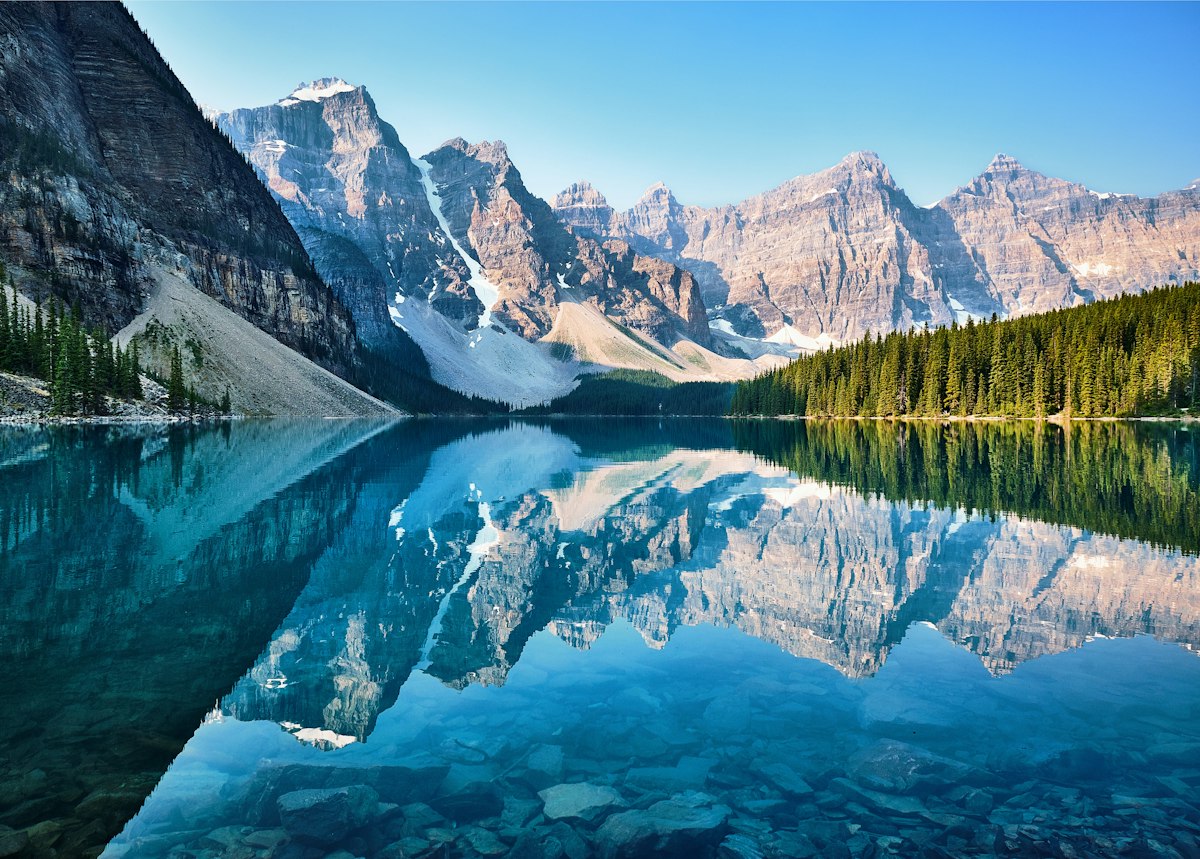
Choose Alberta if the image in your head is a glacial lake, a mountain road and a day that ends in a hot spring. Banff is the polished, easy-to-enter gateway; Jasper is quieter, more expansive and exceptionally good for stargazing. The Icefields Parkway links them in one of North America's great road journeys.
This is Canada's highest-demand summer itinerary, so reserve accommodation and major activities early. Lake Louise and Moraine Lake are not spontaneous add-ons in peak season: Parks Canada advises visitors to use reserved transit, and availability is limited.
British Columbia: Vancouver, Victoria and the coast
British Columbia is the softer, more Pacific version of Canada. Vancouver pairs a serious food scene with beaches, forests and mountains; Victoria brings gardens, architecture and an unhurried harbour; the Sunshine Coast and Vancouver Island reward travellers who are happy to exchange headline attractions for sea air and small communities.
Quebec: Montreal and Quebec City
Come to Quebec for food, design, music and the pleasure of moving between languages. Montreal is creative and nocturnal, with a generous restaurant culture; Quebec City is smaller, historic and wonderfully walkable. Add Charlevoix or the Eastern Townships for a countryside extension.
Ontario: Toronto, Niagara and the Great Lakes
Ontario works beautifully for a city break with an easy nature finish. Toronto is multicultural, energetic and full of excellent galleries and restaurants. Niagara Falls is close enough for a day trip, while Prince Edward County and the Bruce Peninsula offer a slower long weekend.
The Atlantic provinces
Nova Scotia, New Brunswick, Prince Edward Island and Newfoundland and Labrador are for travellers who prefer a scenic route to a single landmark. Expect seafood, lighthouses, dramatic coastlines, music and weather that can change its mind quickly. A longer trip here feels intimate rather than monumental.
Use the contextual guide below to browse tours and activities in the destination you choose.
The Best Time to Visit Canada
There is no single best month. The right season depends on the country you are visiting within the country.
| Season | Best for | What to expect |
|---|---|---|
| June to August | Rockies, coast, road trips | Long days, busiest parks, highest accommodation prices |
| September to October | Fall colour, food, cities | Cooler evenings, beautiful foliage, variable park access |
| November to March | Skiing, winter cities, northern lights | Snow and short days; excellent winter atmosphere |
| April to May | Value and city travel | Shoulder season; melting snow and uneven trail conditions |
Summer is the obvious choice for the Rockies, but early autumn can be the more elegant one: fewer crowds, crisp mornings and colour in the forests. In the mountains, however, do not assume that a calendar date guarantees a particular trail or road. Check current Parks Canada bulletins, weather, fire conditions and trail reports before setting out.
Canada's wildfire season can affect air quality, roads and park access. Build flexibility into a summer itinerary and use current official provincial and Parks Canada updates rather than relying on an old blog post.
Three First-Trip Itineraries
Seven days: the Rockies in one clean sweep
- Days 1-2: Calgary and Banff. Arrive in Calgary, then settle into Banff. Keep the first afternoon gentle: a walk by the Bow River, a good dinner and an early night.
- Days 3-4: Lake Louise. Reserve your transit, choose one walk suited to the conditions, and leave time for the lake without trying to collect every viewpoint.
- Day 5: Icefields Parkway. Treat the drive as the destination. Start early, check road conditions and plan fuel and food stops.
- Days 6-7: Jasper. Spend two nights for wildlife, lakes, dark skies and a slower rhythm before returning via Edmonton or retracing your route.
Ten days: eastern cities and a softer countryside
- Days 1-3: Toronto. Explore neighbourhoods rather than trying to see the whole city; add Niagara only if the weather and your energy cooperate.
- Days 4-6: Montreal. Eat well, walk the Old Port and Mile End, and make room for an unplanned afternoon.
- Days 7-8: Quebec City. Stay inside or near the old city and take a day for Montmorency Falls or Île d'Orleans.
- Days 9-10: Charlevoix or Ottawa. Choose countryside for food and landscape, or Ottawa for museums and an easier rail connection.
Fourteen days: Vancouver and the Rockies
Fly into Vancouver, spend three nights there, then continue to Victoria or Whistler before flying or driving to Calgary. Give the Rockies at least seven nights. This itinerary is ambitious by Canadian standards, but it creates a satisfying city-to-wilderness contrast without pretending you can cross the entire country in two weeks.
The Canadian Cities Worth Your Time
Canada's cities are not merely gateways to nature. Montreal is the destination for a long lunch, a gallery afternoon and dinner that turns into a late evening. Toronto is the place to eat across cultures in a single neighbourhood-hopping day. Vancouver is unusually easy to combine with outdoors: Stanley Park, the seawall, Granville Island and a mountain excursion can all sit comfortably in one visit. Quebec City offers the most concentrated sense of history, while Halifax gives you a harbour, seafood and a distinctly Atlantic welcome.
How to Visit Canada's National Parks Well
National parks are protected places, not amusement parks. Buy the correct pass or entry permit, reserve camping and shuttles where required, stay on marked trails and keep a proper distance from wildlife. In bear country, carry bear spray where recommended and know how to use it; never leave food or scented items in a vehicle or tent.
For the Rockies, download the Parks Canada app and check official trail, road and fire updates before each outing. Banff is open year-round, while Jasper also operates year-round, but services and road access change by season. Respect closures, including drone restrictions: recreational drones are prohibited in Banff and Jasper national parks.
Practical Canada Planning
How much time do you need?
Seven days is enough for one region. Ten days allows a thoughtful regional loop. Two weeks can connect Vancouver with the Rockies or Montreal with the Atlantic coast, but it still cannot do Canada coast to coast without becoming a transport exercise.
Getting around
Use trains and public transport for city breaks. Rent a car for the Rockies, Atlantic Canada and most rural routes, but do not assume a car removes the need to plan: mountain roads are long, fuel stations are spaced out, and weather can change quickly. Domestic flights are often the sensible answer between distant regions.
Money, weather and packing
Prices vary sharply by city and season. Budget for accommodation, park fees, car hire, fuel, meals and activity reservations rather than only the flight. Pack layers, a waterproof outer layer, comfortable walking shoes, sunscreen and a small daypack. For the Rockies, add warm layers even in July; for the coast, add patience for wind and rain.
Book Canada attractions
→ Attractions homepageAffiliate link: if you book through this link, we may earn a small commission at no extra cost to you.
Canada Travel FAQs
Is Canada expensive to visit?
It can be, particularly in Vancouver, Toronto and the Rockies during summer. Travel in shoulder season, stay outside the most famous park gateways and book transport early for better value.
Do I need a car?
Not for a city trip. Usually yes for a Rockies road trip or Atlantic itinerary, unless you deliberately book a guided tour or transfer-based route.
Can I see the northern lights on a first trip?
Yes, but not reliably from the southern cities. Plan a dedicated northern itinerary to Yukon, the Northwest Territories or northern Manitoba, and treat the lights as a natural event rather than a guaranteed attraction.
What is the most important booking to make early?
For a summer Rockies trip, prioritize accommodation, Lake Louise and Moraine Lake transit, and any popular campground or activity. Always confirm current arrangements with Parks Canada.
Useful gear for a Canada trip
→ Lightweight waterproof daypack - Shop on Amazon→ Insulated travel bottle - Shop on AmazonThis post contains Amazon affiliate links. If you purchase through our links we may earn a small commission at no extra cost to you.