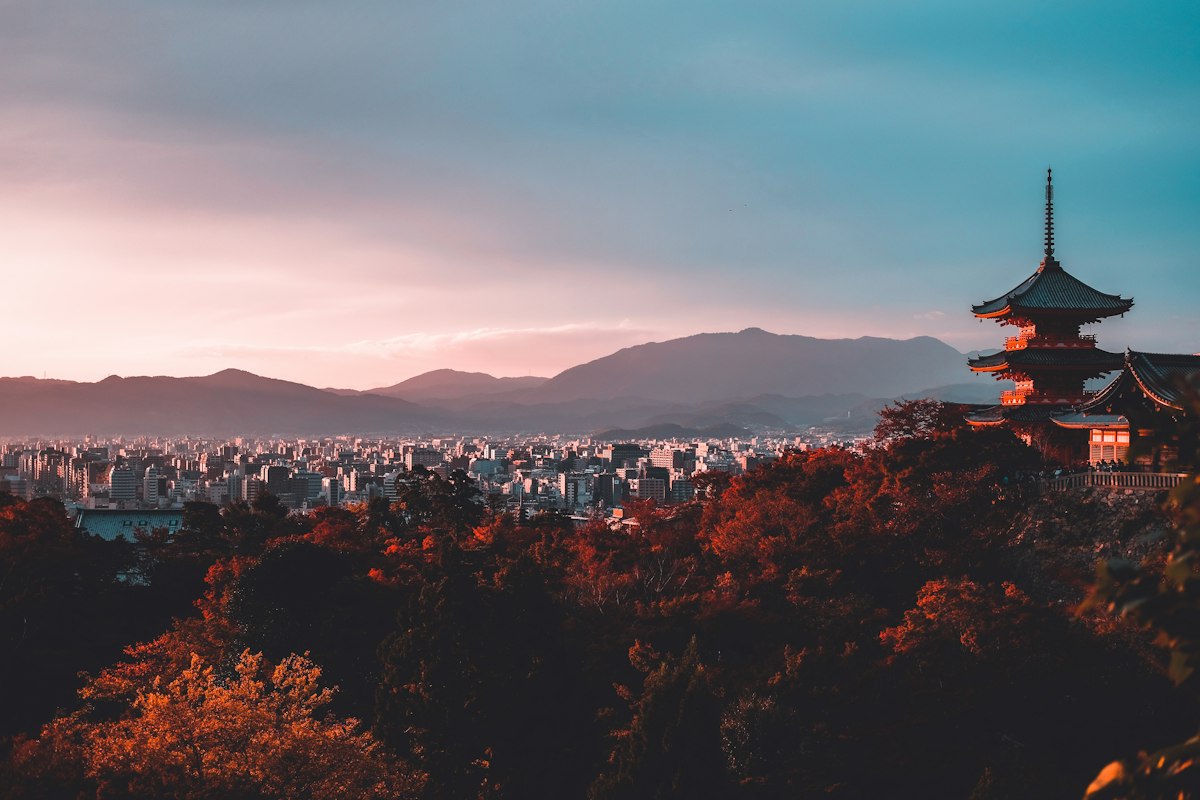
Planning your Kyoto trip? Start with our Kyoto Destination Hub for complete guides on itineraries, accommodations, and experiences.
In This Guide
Best Ryokans in Kyoto (Quick Picks)
Kyoto's ryokans are more than accommodation — they are cultural experiences shaped by centuries of Japanese hospitality, seasonal cuisine, and architectural harmony. The light changes as you step from the street into a traditional ryokan, the wooden floors creaking beneath your feet, the scent of tatami and incense filling the air. This is not merely a place to sleep but a portal into Japan's cultural soul, where every detail from the flower arrangement in your room to the sequence of courses at dinner tells a story of tradition refined over generations.
What follows here is a curated selection of Kyoto's best ryokans for 2026, properties that excel at providing authentic traditional experiences without sacrificing modern comfort. From the legendary Tawaraya, which has hosted emperors and celebrities for centuries, to family-run establishments that have preserved their character across generations, these ryokans represent the pinnacle of Japanese hospitality. The focus here is on properties that balance authenticity with accessibility, where the experience feels genuinely Japanese rather than a tourist performance. For families traveling with children, our guide to family-friendly ryokans in Kyoto provides specialized recommendations for traditional stays that welcome children.
Why Choose a Ryokan in Kyoto
There is a version of Kyoto that can be experienced in any hotel — the temples are open to all, the streets are walkable for free, and the city's beauty requires no admission fee. But ryokans offer something that hotels cannot: complete immersion in traditional Japanese culture. Sleeping on futons in tatami-matted rooms, bathing in onsen waters, eating kaiseki meals that change with the seasons, and being cared for by staff who practice hospitality as an art form — these experiences transform a trip to Kyoto into something deeper.
What ryokans also provide is the emotional benefit of slowing down. The customs of ryokan life — removing shoes at the entrance, following meal times, respecting quiet hours — force a rhythm that feels almost meditative. In a city that can feel overwhelming with its temples and crowds, the ryokan becomes a sanctuary, a place where time moves differently and the focus shifts from seeing to experiencing. The trade-off is the adherence to customs that can feel restrictive to some travelers, but for those who view these customs as part of the cultural experience rather than inconveniences, ryokans provide an unparalleled introduction to Japanese culture. If you prefer international luxury hotels over traditional ryokan stays, our guide to luxury hotels in Kyoto provides recommendations for world-class international accommodations.
The best ryokans in Kyoto are those that balance traditional authenticity with modern comfort. Properties that have private onsen baths, English-speaking staff, and accommodations that welcome international guests while preserving the customs and aesthetics that make ryokan stays special.
Kyoto's Ryokan Neighborhoods
Choosing the right neighborhood for your ryokan experience is crucial for maximizing your Kyoto stay. Each district offers a different atmosphere — from the traditional streets of Gion where geiko and maiko still walk to evening appointments, to the natural tranquility of Arashiyama with its bamboo forest and river views, to the cultural heart of Higashiyama with its temple complexes and preserved architecture. The right neighborhood choice depends on whether you prioritize cultural immersion, natural beauty, or convenient access to transportation.
Gion
Traditional geisha district with tea houses and shrines. Best for cultural immersion and traditional atmosphere.
Ryokans: Gion Hatanaka
Arashiyama
Nature district with bamboo forest and mountain views. Best for natural beauty and peaceful retreats.
Ryokans: Arashiyama Benkei
Higashiyama
Temple district with Kiyomizu-dera and traditional streets. Best for temple access and cultural exploration.
Ryokans: Kyoto Ryokan Yachiyo, Kyoto Kaname
Central Kyoto
Central area near major attractions and transportation. Best for convenience and accessibility.
Ryokans: Tawaraya, Hiiragiya, Seikoro
Top Luxury Ryokans in Kyoto
These are the accommodations that define the ryokan experience in Kyoto — properties that combine exceptional hospitality, cultural authenticity, and traditional luxury.
| Ryokan | Location | Price Range | Onsen | Best For |
|---|---|---|---|---|
| Tawaraya | Central | ¥150,000-¥200,000 | Private | Ultra-luxury |
| Hiiragiya | Central | ¥90,000-¥120,000 | Private | Traditional elegance |
| Gion Hatanaka | Gion | ¥60,000-¥80,000 | Private | Cultural immersion |
| Arashiyama Benkei | Arashiyama | ¥50,000-¥70,000 | Private | Nature retreat |
| Kyoto Kaname | Higashiyama | ¥40,000-¥55,000 | Shared | Value tradition |
Tawaraya: The Legendary Experience
✦ Best For Ultra-Luxury
Legendary 18th-century ryokan with one-to-one staff ratio and Michelin-recognized kaiseki cuisine.
Tawaraya is not just Kyoto's most famous ryokan — it's one of Japan's most legendary hospitality institutions. Operating since the 18th century, this family-run ryokan has hosted emperors, celebrities, and discerning travelers for generations. With only 18 rooms, it offers an intimate, authentic traditional experience that's increasingly rare in modern Japan. What makes Tawaraya exceptional is the level of service — the staff ratio is nearly one-to-one, ensuring that every request is handled immediately and gracefully.
All rooms are traditional Japanese style with tatami mats, shoji screens, and futon bedding. Each room is unique, with its own garden view or interior design. Bathrooms are modern but blend seamlessly with the traditional aesthetic. The experience includes multi-course kaiseki dinners and breakfasts served in your room or in private dining spaces. The kaiseki cuisine at Tawaraya is legendary, featuring seasonal ingredients prepared with extraordinary skill. The chef has earned Michelin recognition, and the dining experience alone is worth the stay.
Tawaraya requires bookings well in advance — often 6-12 months for peak seasons. The ryokan has strict policies and may not accept all reservations. This is an experience for travelers who genuinely appreciate traditional Japanese hospitality and are willing to plan far ahead.
Book Tawaraya Ryokan
Book NowAffiliate disclosure: We may earn a commission if you book through our link.
Hiiragiya: Garden-Focused Elegance
✦ Best For Traditional Elegance
Two-century-old ryokan with exceptional garden and both Japanese and Western room options.
Hiiragiya has served guests since 1818, making it one of Kyoto's most established ryokans. What sets this property apart is its exceptional garden — a tranquil space that has been refined over two centuries, providing a backdrop for tea ceremonies and quiet contemplation. The ryokan offers both traditional Japanese-style rooms and Western-style rooms, making it accessible for travelers who may not be comfortable sleeping on futons.
The kaiseki cuisine at Hiiragiya is exceptional, with menus that change daily based on seasonal ingredients. The chef incorporates local Kyoto specialties and traditional techniques, creating meals that are both beautiful and delicious. The ryokan offers private onsen baths that can be reserved for exclusive use, solving the modesty concerns that some guests have about public baths. The location in central Kyoto provides easy access to temples and attractions while maintaining a quiet, residential atmosphere.
Book Hiiragiya Ryokan
Book NowAffiliate disclosure: We may earn a commission if you book through our link.
Gion Hatanaka: Cultural Immersion
✦ Best For Cultural Immersion
Geisha district location with cultural programming including geisha performances and tea ceremonies.
Gion Hatanaka offers a unique ryokan experience in the heart of Kyoto's famous geisha district. The property combines traditional ryokan elements with cultural programming that introduces guests to Japanese arts and traditions. What makes Gion Hatanaka special is the opportunity to experience geisha performances, tea ceremonies, and other cultural activities without leaving the property.
The rooms are traditional Japanese style with tatami mats and shoji screens, some with views of the surrounding machiya houses. The kaiseki cuisine features seasonal ingredients and is served in private dining rooms. The ryokan offers private onsen baths and can arrange cultural experiences like ikebana (flower arranging) and calligraphy classes. The location in Gion provides walking access to the geisha district, Yasaka Shrine, and Hanamikoji Street, making it ideal for travelers who want to experience Kyoto's cultural heart.
Book Gion Hatanaka Ryokan
Book NowAffiliate disclosure: We may earn a commission if you book through our link.
Arashiyama Benkei: Nature Retreat
✦ Best For Nature Retreat
Peaceful Arashiyama location near bamboo forest and Hozu River with early morning nature access.
Arashiyama Benkei is located in the Arashiyama district, known for its bamboo forest and scenic beauty. The ryokan offers a peaceful retreat from the city center, surrounded by nature while still providing easy access to Kyoto's attractions. What makes this property special is its location near the Arashiyama bamboo forest and the Hozu River, allowing guests to experience these natural wonders before crowds arrive.
The rooms feature traditional Japanese design with modern amenities, some offering views of the surrounding mountains. The kaiseki cuisine incorporates local ingredients from the Arashiyama area, creating a sense of place through food. The ryokan offers private onsen baths and can arrange activities like river boat rides and visits to nearby temples. For travelers who want a nature-focused ryokan experience, Arashiyama Benkei provides an ideal balance of tranquility and accessibility.
Book Arashiyama Benkei Ryokan
Book NowAffiliate disclosure: We may earn a commission if you book through our link.
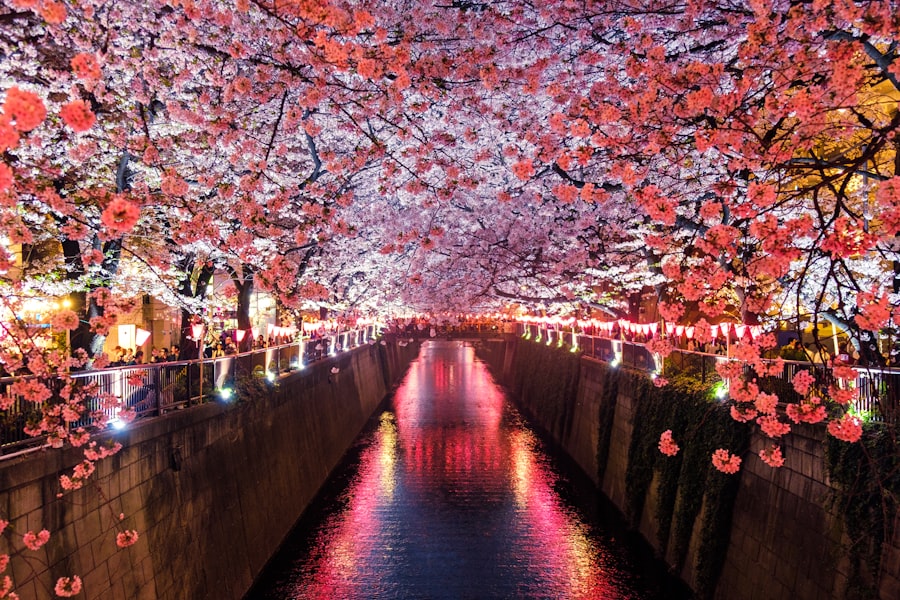
Kyoto's ryokans offer authentic traditional experiences with tatami rooms, private onsen, and kaiseki dining — cultural immersion that hotels cannot replicate.
Ryokan Comparison Table
Here's a detailed comparison of Kyoto's top ryokans:
| Ryokan | Room Style | Onsen | Dining | English | Price Range |
|---|---|---|---|---|---|
| Tawaraya | Traditional only | Private | Legendary kaiseki | Limited | ¥150,000-300,000 |
| Hiiragiya | Traditional & Western | Private | Seasonal kaiseki | Good | ¥90,000-180,000 |
| Gion Hatanaka | Traditional | Private | Kaiseki | Good | ¥60,000-120,000 |
| Arashiyama Benkei | Traditional | Private | Local kaiseki | Good | ¥50,000-100,000 |
| Kyoto Kaname | Traditional | Shared | Kaiseki | Basic | ¥40,000-80,000 |
Best Areas for Ryokans in Kyoto
Kyoto's ryokans are concentrated in several districts, each offering a different experience:
- Gion: Best for culture and geisha district access. Staying in Gion puts you within walking distance of geisha performances, traditional tea houses, and Yasaka Shrine. The atmosphere is particularly magical in the evening when lanterns light the streets.
- Higashiyama: Best for temples and quiet luxury. This district is home to Kiyomizu-dera temple and the preserved streets of Sannenzaka and Ninenzaka. Ryokans here offer peaceful retreats with easy access to major temples.
- Central Kyoto: Best for convenience and transport access. Ryokans in central Kyoto provide easy access to the subway and train networks, making it convenient to explore the entire city and take day trips to Nara and Osaka.
- Arashiyama: Best for nature and scenic beauty. This western district is known for its bamboo forest, the Hozu River, and mountain temples. Ryokans here offer peaceful retreats surrounded by nature.
Booking Tips for Ryokan Stays
Booking a ryokan in Kyoto requires more planning than booking a hotel. Here are the essential considerations:
- Book well in advance. Luxury ryokans have limited inventory and fill quickly, especially during cherry blossom season (March-April) and autumn foliage season (November). Reserve 3-6 months ahead for peak seasons.
- Understand the customs. Ryokans have specific customs like removing shoes, following meal times, and respecting quiet hours. Familiarize yourself with these before booking to ensure the experience aligns with your travel style.
- Confirm onsen access. Not all ryokans have onsen facilities. If private onsen baths are important to you, confirm availability when booking. Some properties charge additional fees for private bath reservations.
- Check English proficiency. Traditional luxury ryokans may have limited English proficiency. Properties that cater to international guests typically have staff who can communicate in English.
- Understand the pricing. Ryokan pricing typically includes both dinner and breakfast. The rate reflects the full experience, not just accommodation. Compare what's included when evaluating prices.
- Consider room type. Some ryokans offer Western-style rooms with beds for travelers who prefer not to sleep on futons. Specify your preference when booking.
Complete Your Kyoto Ryokan Experience
Everything you need for an unforgettable traditional stay in Kyoto
Affiliate disclosure: We may earn a commission if you book through our links, at no extra cost to you.
Frequently Asked Questions
What is the best ryokan in Kyoto?
Tawaraya is widely considered the best ryokan in Kyoto, offering ultra-luxury traditional Japanese hospitality and legendary kaiseki dining. However, it's extremely exclusive and requires booking 6-12 months in advance. For more accessible options, Hiiragiya and Gion Hatanaka also offer exceptional traditional experiences.
Are ryokans in Kyoto worth it?
Yes, ryokans offer an immersive cultural experience that hotels cannot replicate. The combination of tatami rooms, seasonal kaiseki meals, private or shared onsen baths, and traditional hospitality creates a uniquely Japanese experience. For travelers who value cultural immersion, ryokans are worth the premium.
How much do ryokans in Kyoto cost?
Luxury ryokans in Kyoto typically range from ¥50,000 to over ¥150,000 per night depending on season and exclusivity. Mid-range ryokans cost ¥30,000-¥60,000 per night. The price typically includes both dinner and breakfast, reflecting the full ryokan experience.
Do I need to speak Japanese to stay at a ryokan?
Not necessarily. Luxury ryokans that cater to international guests typically have English-speaking staff. However, traditional ryokans may have limited English proficiency. If language is a concern, choose properties known for hosting international guests.
What is the difference between a ryokan and a hotel?
Ryokans are traditional Japanese inns with tatami-matted rooms, futon bedding, and communal or private onsen baths. They typically include kaiseki meals and follow traditional customs like removing shoes. Hotels offer Western-style rooms with beds and more modern amenities. Ryokans provide cultural immersion, while hotels offer convenience and familiarity.
How much do ryokans in Kyoto cost per night?
Luxury ryokans in Kyoto typically range from ¥50,000 to over ¥150,000 per night ($350-$1,000 USD) depending on season and exclusivity. Mid-range ryokans cost ¥30,000-¥60,000 per night. The price typically includes both dinner and breakfast, reflecting the full ryokan experience.
What is included in a ryokan stay?
A ryokan stay typically includes accommodation, dinner (kaiseki), and breakfast. Many properties include access to onsen baths, yukata robes, and tea ceremony sets. Some include cultural activities like flower arranging or calligraphy. Check what's included when booking.
Are ryokans in Kyoto family-friendly?
Some ryokans welcome families, while others have age restrictions or limited family facilities. Family-friendly ryokans provide child-sized amenities, simplified meals, and private family baths. Traditional ryokans may have quiet hours and customs that challenge families with young children. Confirm family policies when booking.
What are the customs for staying at a ryokan?
Ryokan customs include removing shoes at the entrance, wearing yukata robes inside, following scheduled meal times, respecting quiet hours, and proper onsen etiquette (washing before entering baths). These customs are part of the cultural experience, not inconveniences.
Can foreigners stay at traditional ryokans in Kyoto?
Yes, foreigners are welcome at most ryokans in Kyoto. Properties that cater to international guests have English-speaking staff and provide guidance on customs. Some ultra-traditional ryokans may have limited English but still welcome respectful guests who follow customs.
How do I book a ryokan in Kyoto?
Book ryokans through official property websites, trusted booking platforms, or travel agents specializing in Japan. Book 3-6 months in advance for peak seasons. Specify any dietary restrictions, room preferences, and special requests when booking. Confirm all details in writing.
Packing Checklist for Kyoto Ryokan Stay
Being well-prepared makes your Kyoto ryokan experience smoother and more enjoyable. Here's a simple packing checklist to consider:
- Lightweight pajamas for children — comfortable sleepwear that doesn't take up much luggage space
- Easy-on/easy-off shoes — essential for temple visits where you'll frequently remove footwear
- Socks for tatami floors — bring clean socks for ryokan stays and temple visits
- Swim diapers are generally not appropriate for onsen — most onsen facilities don't allow swimwear or diapers in bathing areas
- Favorite bedtime comfort item — helps children adjust to unfamiliar accommodations
- Small entertainment for quiet evenings — books, games, or tablets for downtime in your accommodation
Affiliate disclosure: We may earn a commission if you purchase through our links, at no extra cost to you.
Editorial Note & Accuracy Verification
Last Updated: January 2026
This guide is based on comprehensive research including direct property analysis, guest reviews, and consultation with ryokan experts. We verify all pricing, amenities, and ryokan details through official property websites and trusted booking platforms. Price ranges reflect seasonal variations and are updated quarterly to ensure accuracy.
Our editorial team conducts regular reviews of all recommended ryokans to ensure they continue to meet our standards for traditional hospitality, authenticity, and guest experience. We welcome reader feedback and corrections to maintain the accuracy of this guide.