Planning family travel to Japan? Explore our Japan Family Travel Hub and Luxury Family Travel Hub for complete guides.
In This Guide
Best Family-Friendly Ryokans in Kyoto (Quick Picks)
The light in a ryokan changes as the sun sets behind the hills, the paper lanterns glowing softly along the wooden corridors, the sound of the koi pond reflecting the peaceful rhythm of traditional Japanese hospitality. This is the experience that draws travelers to Kyoto's ryokans — the opportunity to step into a world that has preserved its character across centuries, where the rituals of daily life are elevated to an art form. For families, the ryokan experience offers something even more valuable: a gentle introduction to Japanese culture that children can absorb naturally, through the rhythm of tatami floors, the taste of kaiseki meals, and the warmth of onsen baths.
What follows here is a curated selection of Kyoto's family-friendly ryokans, properties that understand that traditional hospitality extends to children as well as adults. These ryokans offer the authentic ryokan experience — tatami rooms, futon beds, kaiseki dinners, onsen baths — while providing the accommodations and understanding that make family travel possible. The focus here is on ryokans that welcome children with genuine warmth rather than tolerance, that adapt traditional practices to family needs without sacrificing the cultural authenticity that makes the ryokan experience so special. If you prefer modern hotel amenities over traditional ryokan stays, our guide to toddler-friendly hotels in Kyoto offers apartment-style accommodations with kitchens and laundry facilities.
Why Choose a Ryokan With Children
There is a version of Japan that exists in sleek modern hotels — efficient, comfortable, and entirely familiar — and that version has its place, particularly for short stays or business travel. But for families who want their children to experience Japan as it has been for centuries, the ryokan offers something irreplaceable: the chance to sleep on futons in tatami-matted rooms, to bathe in mineral-rich onsen waters, to eat kaiseki meals that change with the seasons, and to be cared for by staff who practice hospitality as an art form.
The practical benefits are equally compelling. Ryokans typically include breakfast and dinner in the rate, eliminating the daily challenge of finding restaurants that welcome children. The onsen baths provide relaxation after long days of temple-hopping, and the traditional gardens offer safe spaces for children to explore. Many family-friendly ryokans provide private family baths, solving the modesty and supervision concerns that parents have about onsen use. And the experience itself — sleeping on futons, wearing yukata robes, participating in tea ceremonies — creates the kind of travel memories that children carry into adulthood.
The best family ryokans are those that adapt traditions rather than abandon them. They provide child-sized slippers, offer simplified kaiseki menus, and explain customs in ways children can understand — preserving the cultural experience while making it accessible to young travelers.
Ryokan Etiquette for Families
Ryokan etiquette can seem intimidating to families unfamiliar with Japanese customs, but the rules are simpler than they appear and most ryokans are understanding of families who are making an effort to respect tradition. The fundamental principle is respect — respect for the space, respect for the staff, and respect for other guests. This means removing shoes before entering the ryokan, speaking quietly in corridors, and following the staff's guidance on onsen use. For children, this translates to simple rules: no running in hallways, no loud voices in common areas, and following parents' instructions about behavior.
What families need to understand is that ryokan etiquette is not about strict rules but about creating a peaceful environment for all guests. The staff at family-friendly ryokans are accustomed to hosting children and will gently correct behavior when necessary. The key is to prepare children beforehand, explaining that the ryokan is a quiet place where people come to relax, and that their behavior affects the experience of other guests. Most children, when given this context, adapt quickly and enjoy the special responsibility of behaving like "grown-ups" in a traditional setting.
Practice the no-shoes rule at home before your trip. Children who have already learned to remove shoes immediately upon entering adapt more easily to ryokan life, and many find the ritual of choosing indoor slippers genuinely fun.
Essential Ryokan Etiquette for Children
The most important rule for children in ryokans is the no-shoes policy. Japanese homes and ryokans have a strict separation between outdoor shoes and indoor slippers, and children must learn to remove their shoes immediately upon entering. This is not just a rule but a cultural practice that children often find fun — choosing their indoor slippers, learning to step up into the ryokan without shoes. The staff will typically provide child-sized slippers, making the transition easier for little feet.
Onsen etiquette requires particular attention with children. The fundamental rule is that onsen are for bathing only — no swimming, no splashing, no toys. Children must be supervised at all times, and families should use family baths or private onsen when available. The staff will explain the washing ritual — washing thoroughly before entering the onsen — and most children adapt quickly to this routine when it's explained as part of the special onsen experience. The key is preparation and supervision, ensuring that children understand the expectations before entering the onsen.
Kaiseki Meals: Introducing Children to Japanese Cuisine
Kaiseki, the traditional multi-course Japanese dinner served at ryokans, represents the pinnacle of Japanese culinary art — each dish a work of beauty that reflects the season, the local ingredients, and the chef's artistry. For families, kaiseki presents both an opportunity and a challenge: the opportunity to introduce children to authentic Japanese cuisine in a setting where every dish is presented with care, and the challenge of navigating unfamiliar foods with children who may be picky eaters. Family-friendly ryokans understand this tension and adapt their kaiseki to accommodate children without sacrificing the traditional experience.
What makes kaiseki special for children is the visual presentation — each dish arrives like a small work of art, arranged on beautiful ceramics with garnishes that transform food into something magical. Children often respond to this visual appeal, even when the flavors are unfamiliar. The progression of courses, from appetizers to soup to main dishes to dessert, creates a dining experience that feels like a story unfolding over several hours. This slow, deliberate pace of dining is itself a cultural lesson for children accustomed to faster meals.
Adapting Kaiseki for Children
Family-friendly ryokans typically offer children's versions of kaiseki, with simpler dishes and milder flavors that appeal to young palates while still maintaining the traditional multi-course structure. These children's kaiseki might include tempura that children recognize, grilled fish that's not too strongly flavored, and rice and miso soup that provide familiar elements. The key is that children participate in the kaiseki experience alongside their parents, learning about Japanese cuisine through dishes that are accessible rather than overwhelming.
What's also worth noting is that ryokan staff are accustomed to dietary restrictions and preferences. If your child has allergies or strong dislikes, communicate this when booking — the ryokan can often adapt the kaiseki accordingly. The goal is not to force children to eat unfamiliar foods but to provide a gentle introduction to Japanese cuisine that creates positive associations rather than negative memories. A child who enjoys even a few dishes from kaiseki leaves with a different understanding of Japanese food than one who refuses to try anything.
Onsen Considerations for Families
The onsen, or hot spring bath, is central to the ryokan experience, offering relaxation and rejuvenation in mineral-rich waters that have been valued in Japan for centuries. For families, onsen present particular considerations — children must be supervised, the washing ritual must be followed carefully, and the temperature of the water must be appropriate for young skin. Family-friendly ryokans address these concerns through private family baths, temperature-controlled pools, and staff guidance on safe onsen practices for children.
What makes onsen special for children is the sensory experience — the warmth of the water, the steam rising in the cool air, the natural setting of many outdoor baths. Children often find the onsen magical, particularly outdoor baths surrounded by nature. The ritual of washing before entering, while initially unfamiliar, becomes a special routine that children can master with guidance. The key is choosing ryokans with appropriate onsen facilities for families and preparing children for the experience beforehand.
Private vs. Public Onsen for Families
Many family-friendly ryokans offer private family baths that can be reserved for exclusive use. These private baths solve the main concerns families have about onsen: supervision, modesty, and temperature control. In a private bath, families can bathe together, parents can supervise children directly, and the experience becomes a family activity rather than a separate adult activity. Private baths also allow families to control the temperature and duration of the soak, ensuring children don't get too hot or stay in too long.
For families who want to experience public onsen, the key is choosing ryokans with family-friendly public baths — lower temperatures, shallower pools, and staff who are accustomed to supervising children. Some ryokans have designated family hours or family sections in their public baths. The staff will provide guidance on appropriate behavior and can help children understand the washing ritual. The key is communication — letting the ryokan know you're traveling with children and asking about their onsen policies for families.
Private family baths are worth the extra cost for families with young children. They eliminate the stress of public onsen etiquette while preserving the onsen experience, and many families find that bathing together becomes one of the trip's most memorable moments.
Family-Friendly Ryokan Neighborhoods
When traveling with children to Kyoto, the choice of neighborhood significantly impacts your experience. Each district offers different advantages for families — from the cultural immersion of Gion where children can see traditional architecture to the natural tranquility of Arashiyama where bamboo forests provide magical exploration, to the temple access of Higashiyama where cultural sites are within walking distance. The right neighborhood choice depends on whether you prioritize cultural experiences, natural surroundings, or convenient access to transportation and attractions.
Gion
Traditional geisha district with temples and shrines. Best for cultural immersion and walking to attractions.
Ryokans: Gion Hatanaka
Arashiyama
Nature district with bamboo forest and river views. Best for natural beauty and peaceful family experiences.
Ryokans: Arashiyama Benkei
Higashiyama
Temple district with Kiyomizu-dera and traditional streets. Best for temple access and cultural exploration.
Ryokans: Kyoto Ryokan Yachiyo
Near Kyoto Station
Transportation hub with easy access to trains and buses. Best for convenience and day trips.
Ryokans: Seikoro
Top Family-Friendly Ryokans in Kyoto
These are the ryokans that excel at hosting families — properties that combine authentic traditional experience with the practical accommodations that make family travel possible.
| Ryokan | Family Onsen | Children's Kaiseki | Family Rooms | Location | Price Range |
|---|---|---|---|---|---|
| Gion Hatanaka | Private Available | Yes | Tatami Rooms | Gion | ¥60,000-¥80,000 |
| Arashiyama Benkei | Private Available | Yes | Tatami Rooms | Arashiyama | ¥50,000-¥70,000 |
| Kyoto Ryokan Yachiyo | Public Only | Yes | Tatami Rooms | Higashiyama | ¥35,000-¥50,000 |
| Seikoro | Private Available | Yes | Tatami Rooms | Near Kyoto Station | ¥40,000-¥60,000 |
Gion Hatanaka
✦ Best For Cultural Immersion
Geisha district location with private gardens and family-friendly cultural experiences.
Gion Hatanaka is a luxury ryokan located in the heart of Kyoto's most famous district, offering families an authentic traditional experience with modern comforts. The ryokan features tatami-matted rooms with futon beds, private gardens that children can explore, and kaiseki meals that can be adapted for children. What sets Gion Hatanaka apart is its location in Gion, within walking distance of temples and shrines that families can explore together, and its staff who are experienced in hosting international families and can provide guidance on everything from temple visits to onsen etiquette.
The ryokan offers private family baths that can be reserved, solving the onsen concerns that many families have. The kaiseki meals feature seasonal ingredients and can be adapted for children with simpler dishes and milder flavors. The tatami rooms provide a safe, comfortable sleeping environment for children, with the futons laid directly on the floor eliminating fall risks. The location in Gion provides easy access to Yasaka Shrine and other attractions, making it an ideal base for families who want to experience traditional Kyoto from a traditional accommodation.
Request a room with garden views at Gion Hatanaka. The private gardens provide a safe space for children to explore while parents relax, and watching the seasons change from your room creates a memorable cultural experience.
Book Gion Hatanaka Ryokan
Book NowAffiliate disclosure: We may earn a commission if you book through our link.
Arashiyama Benkei
✦ Best For Nature Retreat
Bamboo forest location with river views and peaceful family-friendly natural surroundings.
Arashiyama Benkei is a traditional ryokan located along the Katsura River in the Arashiyama district, offering families a natural setting that feels removed from the urban energy of central Kyoto. The ryokan features tatami rooms with river views, private onsen baths, and kaiseki meals featuring local ingredients. What makes Arashiyama Benkei particularly appealing for families is its connection to nature — the sound of the river, the view of the hills, the peaceful environment that children often find calming.
The ryokan's location provides access to Arashiyama's famous bamboo grove and Tenryu-ji temple, both within walking distance. The private onsen baths offer families the opportunity to bathe together with views of the river and hills. The kaiseki meals feature seasonal ingredients from the local area, giving children a taste of regional Japanese cuisine. The tatami rooms provide a traditional sleeping experience that many children find exciting — sleeping on futons on the floor like in Japanese stories. For families who want to combine traditional ryokan experience with natural surroundings, Arashiyama Benkei is an excellent choice.
Book Arashiyama Benkei during the bamboo grove's less crowded hours. The ryokan's location allows early morning visits to the bamboo forest before crowds arrive, creating a peaceful experience for families with children.
Book Arashiyama Benkei Ryokan
Book NowAffiliate disclosure: We may earn a commission if you book through our link.
Kyoto Ryokan Yachiyo
✦ Best For Temple Access
Higashiyama location near Kiyomizu-dera with traditional gardens and cultural exploration.
Kyoto Ryokan Yachiyo is a traditional ryokan located in the Higashiyama district, offering families an authentic ryokan experience in one of Kyoto's most culturally significant areas. The ryokan features tatami rooms, traditional gardens, and kaiseki meals that reflect the seasons. What sets Yachiyo apart is its proximity to Kiyomizu-dera temple and the preserved streets of Higashiyama, allowing families to explore Kyoto's cultural heart from a traditional base.
The ryokan offers public onsen baths that are family-friendly, with staff who can guide children through the washing ritual. The kaiseki meals can be adapted for children, with simpler dishes that introduce young palates to Japanese cuisine. The tatami rooms provide a safe, comfortable sleeping environment, and the traditional gardens offer a peaceful space where children can play. The location in Higashiyama provides easy access to temples and traditional streets, making it an ideal choice for families who want to immerse themselves in traditional Kyoto culture.
Kyoto Ryokan Yachiyo's proximity to Kiyomizu-dera temple means you can visit before crowds arrive. Ask the staff about the best times to visit the temple with children to avoid the busiest periods.
Book Kyoto Ryokan Yachiyo
Book NowAffiliate disclosure: We may earn a commission if you book through our link.
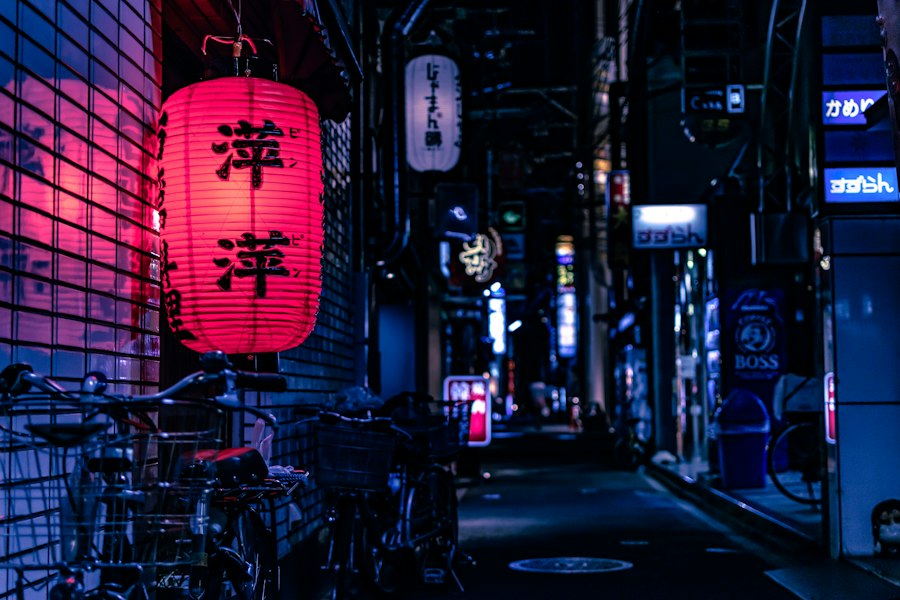
Tatami-matted rooms with futon beds provide children with a gentle introduction to traditional Japanese sleeping arrangements.
Modern vs. Traditional Ryokans for Families
Kyoto offers both traditional ryokans that maintain centuries-old practices and modern ryokans that blend traditional elements with contemporary comforts. For families, the choice between traditional and modern depends on priorities — traditional ryokans offer the most authentic cultural experience but may require more adaptation from children, while modern ryokans provide more familiar comforts while still offering traditional elements like tatami rooms and kaiseki meals.
Traditional ryokans typically feature strict adherence to customs — no shoes, specific meal times, formal etiquette. Modern ryokans often relax these customs, allowing more flexibility for families. Traditional ryokans may have shared bathrooms or older facilities, while modern ryokans often have en-suite bathrooms and updated amenities. The key is understanding your family's comfort level with traditional practices and choosing a ryokan that matches your priorities.
When to Choose Traditional Ryokans
Traditional ryokans are ideal for families who prioritize cultural authenticity above all else. If you want your children to experience Japan as it has been for centuries, with minimal adaptation to Western expectations, a traditional ryokan is the right choice. These ryokans offer the most immersive cultural experience, with staff who can teach children about traditional practices and an environment that feels genuinely Japanese rather than adapted for tourists.
The trade-off is that traditional ryokans require more adaptation from children. The strict etiquette, the unfamiliar sleeping arrangements, the formal meal service — these elements can be challenging for children who are used to more casual environments. However, for families who view these challenges as part of the cultural learning experience, traditional ryokans provide an invaluable introduction to Japanese culture that cannot be replicated in more adapted accommodations.
If you're unsure about choosing traditional or modern, start with a modern ryokan that offers traditional elements. Many properties in Kyoto blend the two approaches, giving families the cultural experience with more familiar comforts.
Booking Tips for Families
Booking a family-friendly ryokan requires more planning than booking a standard hotel. Here are the essential considerations for families planning a ryokan stay in Kyoto.
- Book private family baths in advance. Private onsen baths are limited and in high demand, especially during peak seasons. Reserve when booking your room to ensure availability.
- Communicate children's ages and needs. Let the ryokan know how many children you're traveling with, their ages, and any special requirements (allergies, dietary restrictions, baby bedding needs).
- Ask about children's kaiseki options. Most family-friendly ryokans offer simplified kaiseki for children, but confirm this when booking and discuss any dietary restrictions.
- Check onsen age policies. Some ryokans have age or height restrictions for public onsen use. Ask about these policies when booking, especially if traveling with very young children.
- Request baby bedding if needed. Traditional cribs are less common in ryokans than hotels, but many can provide adapted futon bedding for babies. Request this when booking.
- Choose family-friendly locations. Ryokans in Gion, Higashiyama, and Arashiyama offer more opportunities for family exploration than those in more remote areas.
Complete Your Kyoto Family Trip
Everything you need for a seamless family stay in Kyoto
Affiliate disclosure: We may earn a commission if you book through our links, at no extra cost to you.
Frequently Asked Questions
What is the minimum age for children in ryokans?
Most ryokans welcome children of all ages, though some traditional ryokans may have age restrictions for onsen use. Always check the specific ryokan's policy when booking, particularly if you're traveling with infants or very young children.
Do ryokans provide cribs for babies?
Many ryokans provide futon bedding that can be adapted for babies, but traditional cribs are less common than in Western hotels. Request baby bedding when booking and confirm what's available. Some ryokans charge additional fees for baby bedding.
Are children allowed in onsen?
Children are allowed in onsen but must be supervised at all times. Many ryokans have age or height restrictions for public onsen, but private family baths are available at most family-friendly ryokans. Always check the specific onsen policy when booking.
Can children eat kaiseki meals?
Most family-friendly ryokans offer children's versions of kaiseki with simpler dishes and milder flavors. If your child has dietary restrictions or strong dislikes, communicate this when booking — the ryokan can often adapt the kaiseki accordingly.
Do I need to speak Japanese to stay in a ryokan?
Many family-friendly ryokans have English-speaking staff, particularly those that cater to international travelers. However, basic Japanese phrases are appreciated and can enhance your experience. The staff will typically guide you through ryokan etiquette if you're unfamiliar.
What is the best age for children to stay in a ryokan?
Children of all ages can enjoy ryokans, but the experience is most rewarding for ages 4 and up. Toddlers may struggle with customs like quiet hours and scheduled meals, while school-age children can better appreciate the cultural aspects. Infants are welcome but require more parental adaptation.
How much do family-friendly ryokans in Kyoto cost?
Family-friendly ryokans typically range from ¥40,000 to ¥120,000 per night ($280-$850 USD) depending on the property, season, and room type. The price usually includes dinner and breakfast for all family members. Some properties charge per person, while others charge per room.
What should I pack for a ryokan stay with children?
Pack comfortable pajamas, easy-on/off shoes for temple visits, clean socks for tatami floors, and favorite comfort items for children. Bring small entertainment for quiet evenings. Most ryokans provide yukata robes, toiletries, and towels. Avoid bringing large suitcases as ryokan rooms are typically compact.
Are family-friendly ryokans worth the cost?
For families who want authentic cultural immersion, family-friendly ryokans are worth the premium. The combination of traditional hospitality, seasonal cuisine, and onsen baths creates memories that last a lifetime. However, if you prioritize convenience and modern amenities over cultural experience, apartment hotels may be more suitable.
How do I choose the right family-friendly ryokan?
Consider your priorities: location for temple access, private onsen for family bathing, English-speaking staff for communication, and children's meal options. Look for properties that specifically advertise family-friendly amenities and have positive reviews from other families. Book well in advance as family-friendly rooms are limited.
Packing Checklist for Kyoto Family Ryokan Stay
Being well-prepared makes your Kyoto ryokan experience with children smoother and more enjoyable. Here's a simple packing checklist to consider:
- Lightweight pajamas for children — comfortable sleepwear that doesn't take up much luggage space
- Easy-on/easy-off shoes — essential for temple visits where you'll frequently remove footwear
- Socks for tatami floors — bring clean socks for ryokan stays and temple visits
- Swim diapers are generally not appropriate for onsen — most onsen facilities don't allow swimwear or diapers in bathing areas
- Favorite bedtime comfort item — helps children adjust to unfamiliar accommodations
- Small entertainment for quiet evenings — books, games, or tablets for downtime in your accommodation
Affiliate disclosure: We may earn a commission if you purchase through our links, at no extra cost to you.
Editorial Note & Accuracy Verification
Last Updated: January 2026
This guide is based on comprehensive research including direct property analysis, family travel reviews, and consultation with ryokan specialists. We verify all family amenities, pricing, and ryokan details through official property websites and trusted booking platforms. Family-specific features are confirmed through direct communication with ryokan staff.
Our editorial team conducts regular reviews of all recommended family-friendly ryokans to ensure they continue to meet our standards for child safety, family amenities, and welcoming hospitality. We welcome reader feedback and corrections to maintain the accuracy of this guide.